

Home Improvement Projects That Refresh Interiors Without Major Renovation

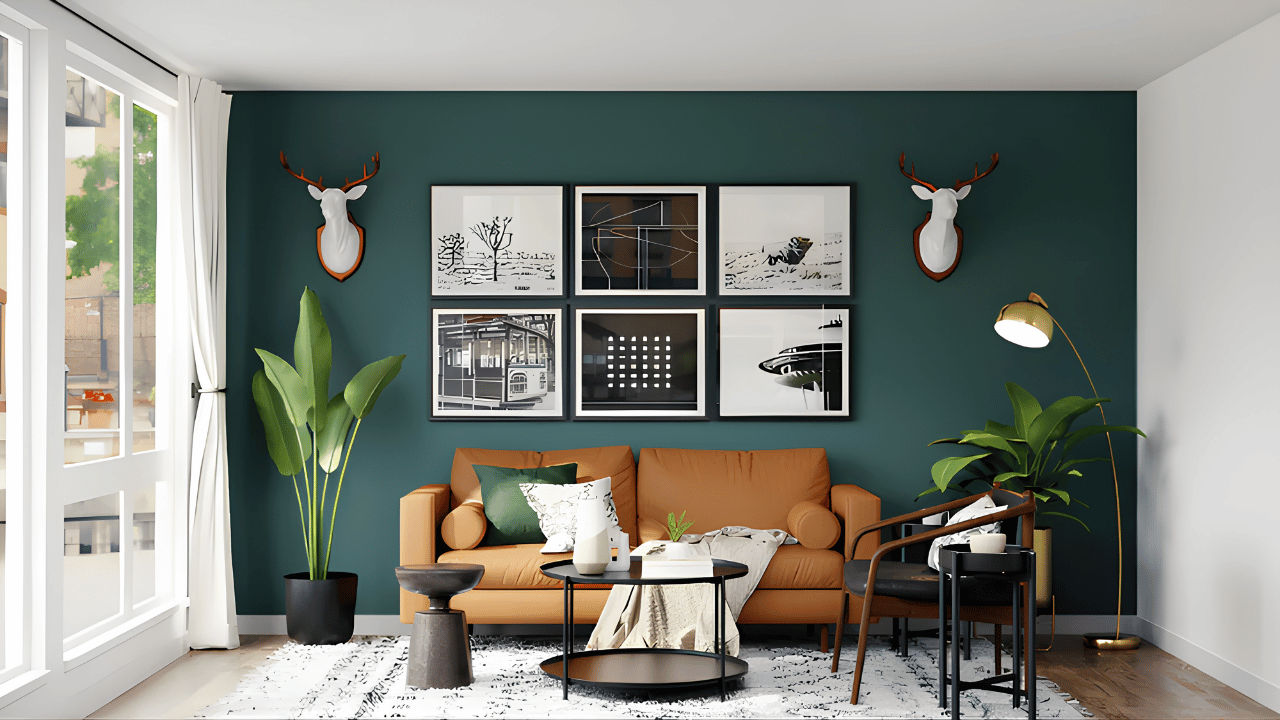
There’s something quietly powerful about walking into a room that feels entirely different, yet nothing structural has changed. No walls demolished, no floors ripped up, no contractors camping in your living room for months.
Thoughtful updates that shift the atmosphere, improve the flow, and make a space feel genuinely renewed. This kind of transformation doesn’t demand deep pockets or endless patience; it requires intention, creativity, and an understanding of how small changes can cascade into significant visual and functional impact.
Refreshing a home does not always require extensive construction, a high budget, or a long timeline. Many impactful improvements focus on visual balance, functionality, and comfort rather than structural change.
Strategic Paint and Surface Updates
Refreshing Walls With Purpose
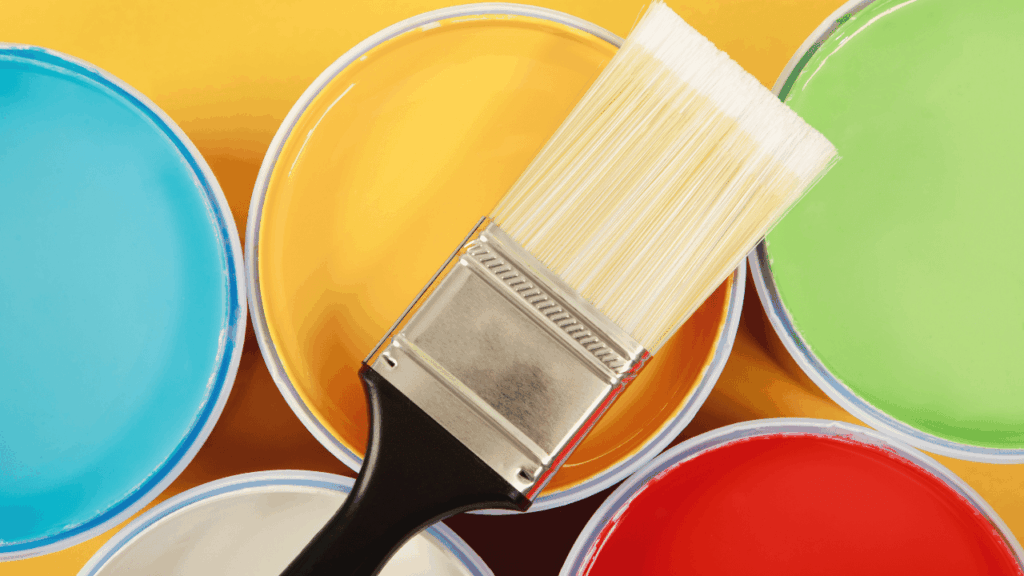
Paint remains one of the most effective tools for transforming interiors quickly. It’s remarkable how a simple color shift can make a ceiling feel higher, a room feel larger, or a space feel infinitely more inviting. Thoughtful color selection can influence how a space feels, functions, and flows in ways that go far beyond aesthetics.
Key approaches include:
- Using lighter tones to expand compact rooms visually. Soft whites, warm grays, and pale neutrals bounce light around, creating an airy openness that darker colors naturally absorb.
- Accent walls to define zones in open-plan layouts. A single painted surface can establish a dining area, reading nook, or workspace without physical barriers.
- Matte or satin finishes for a modern, understated effect. These finishes hide imperfections better than glossy options while maintaining a sophisticated, contemporary feel.
When aligned with broader interior design principles, paint updates can redefine a room’s identity without altering its structure. The transformation happens not through construction, but through perception, how color interacts with light, furniture, and the people moving through the space.
Revitalizing Existing Surfaces
Beyond walls, updating surfaces adds depth and character in unexpected ways. Instead of replacing what already exists, consider breathing new life into it.
Practical surface updates include:
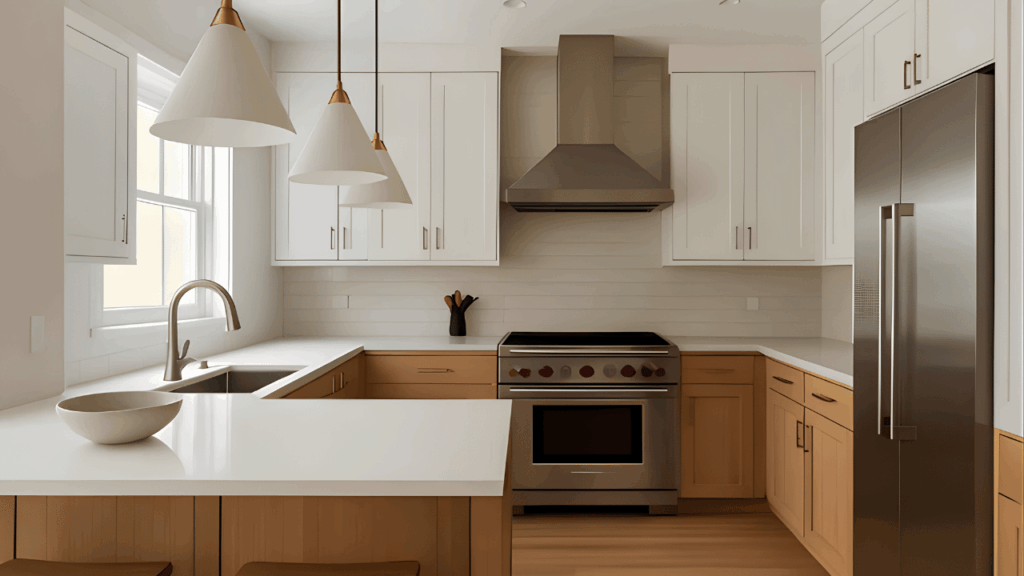
- Painting cabinetry instead of replacing it. Kitchen and bathroom cabinets can be completely transformed with high-quality paint, new hardware, and proper preparation.
- Refinishing wooden furniture or doors. Sanding and staining can reveal beautiful grain patterns and update pieces that feel dated or worn.
- Applying peel-and-stick wall panels or textures. Modern adhesive products offer wood, stone, or geometric patterns that add dimension without permanent commitment.
These updates provide visual interest while keeping costs and disruption low. They honor what’s already there while making it feel fresh and intentional.
Lighting Improvements That Change the Atmosphere
Layered Lighting for Function and Mood
Lighting influences both usability and emotional comfort in ways that often go unrecognized until they’re improved. The difference between a flat, single-source room and a thoughtfully lit space is the difference between existing somewhere and truly inhabiting it. Upgrading lighting fixtures or layouts can significantly alter the way interiors are experienced throughout the day and evening.
Effective lighting layers include:
- Ambient lighting for overall brightness. This foundational layer ensures the room is generally well-lit and functional, typically provided by ceiling fixtures or recessed lights.
- Task lighting for focused activities. Reading lamps, under-cabinet lights, and desk fixtures support specific activities without over-illuminating the entire space.
- Accent lighting to highlight décor or architectural details. Picture lights, wall sconces, and directional spotlights draw attention to artwork, textures, or focal points.
Well-planned lighting supports interior design goals by balancing form and function. It’s not just about seeing clearly, it’s about creating atmosphere, directing attention, and allowing spaces to shift character from morning productivity to evening relaxation.
Fixture and Bulb Upgrades
Sometimes the most dramatic improvements come from the simplest changes. You don’t need to rewire your entire home to transform how it feels.
Simple changes that deliver noticeable results:
- Replacing outdated fixtures with contemporary designs. A new pendant light, chandelier, or flush mount can instantly modernize a dated room.
- Switching to warm or adjustable LED bulbs. Modern LEDs offer color temperatures that range from energizing daylight to cozy amber, all while reducing energy consumption.
- Adding dimmers to control mood and energy use. Dimmer switches provide flexibility, allowing spaces to adapt to different times of day and activities.
These upgrades modernize interiors without invasive work, proving that sometimes the best improvements happen above eye level.
Furniture, Layout, and Soft Furnishing Adjustments
Rethinking Furniture Placement
Before buying anything new, consider what already exists and how it’s arranged. Rearranging existing furniture often improves flow and usability in surprising ways, revealing potential that was always there but never activated.
Strategic rearrangement includes:
- Creating clear walkways. Ensuring comfortable passage through rooms prevents spaces from feeling cramped or awkward, even when furniture remains the same.
- Improving natural light access. Moving tall pieces away from windows and repositioning seating to capture sunlight can dramatically brighten interiors.
- Defining functional zones in shared spaces. Angling furniture or using area rugs helps establish distinct areas for conversation, work, or relaxation within open layouts.
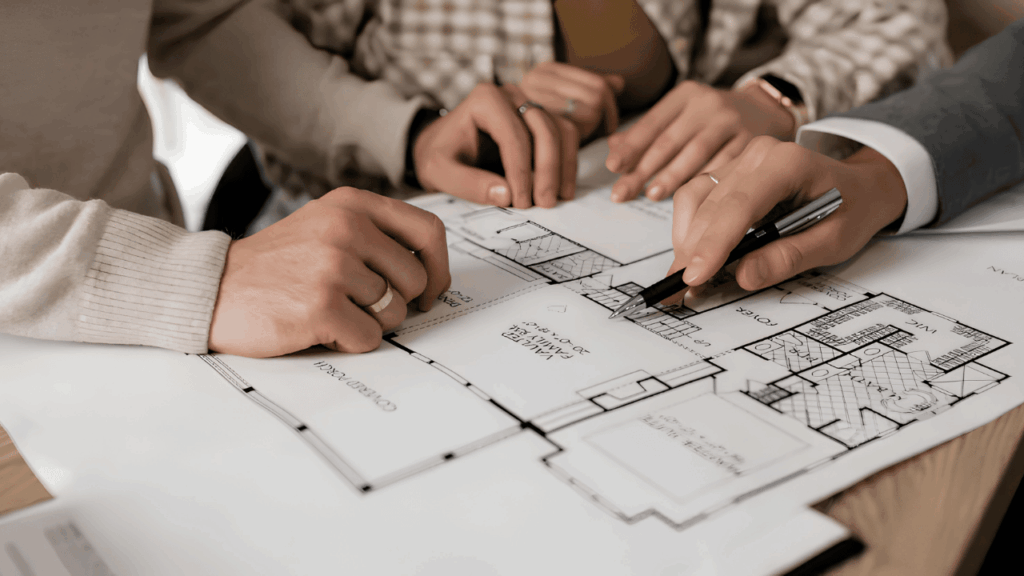
This approach aligns with interior design strategies that prioritize spatial efficiency. When exploring professional guidance, resources like Ali & Shea can inspire optimizing layouts and creating balanced, functional interiors. The key is understanding that how you arrange what you have matters as much as what you have.
Updating Soft Elements
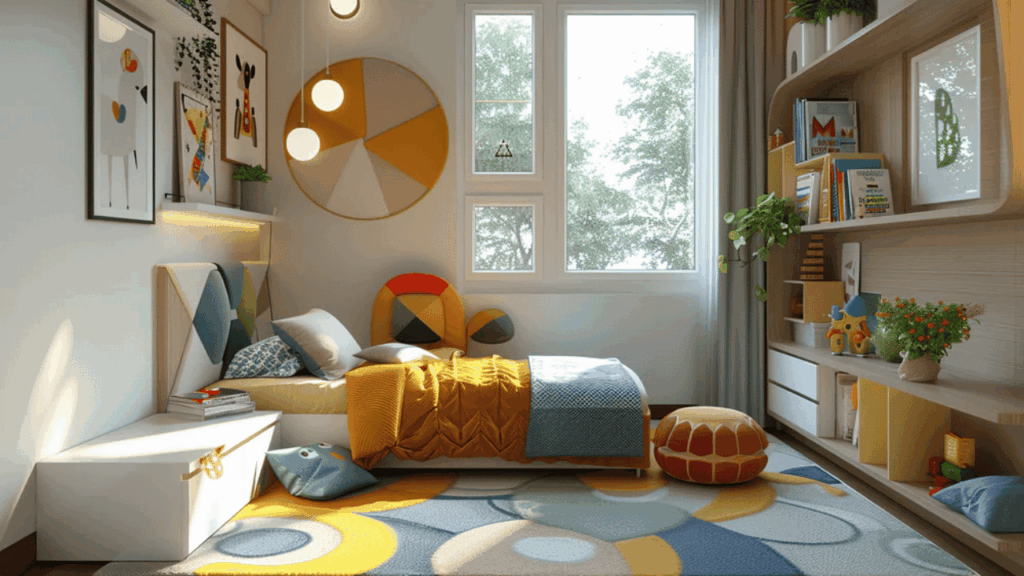
Textiles and accessories provide an easy refresh that can be changed seasonally or as tastes evolve. These elements carry color, pattern, and texture into a room without permanent commitment.
This article is part of the HOGDigest editorial series.
Originally written by [Author Name] and republished with permission.





 Living Room
 Armchairs
 Bar
Bar Coffee Tables
 Sofas
Sofas Side Tables
 Shelving
 TV Consoles
 Bedroom
 Beds
Beds Bedding Sets
 Dressers
 Mattress
 Pillows
 Wardrobes
 Bathroom
 Bathroom Accessories
 Showers & Bathtubs
 Water Heaters
 Water Closet
 Washbasin
 Dining
 Dining Tables
 Dining Chairs
 Dining Sets
 Dining Benches
 Sideboards
 Kitchen
 Cookware | Bakeware
 Cabinets
 Tableware | Serveware
 Big Appliances
 Small Appliances
 Sinks | Taps
 Storage | Organisation
 Utensils | Tools
 Lighting
 Ceiling Lights
 Table | Floor Lamps
 Light Bulbs | Hardware
 Outdoor Lighting
 Wall Lights
 Kids & Nursery
 Nursery furniture
 Kids Bedroom
 Kids Decor
 Chairs
 Swivel
 Visitors
 Tables | Desks
 Standard Desks
 Executive Desks
 Computer Desks
 Safe | Cabinets
 Bookshelves
 Credenzas
 Filing Cabinets
 Safes
Safes Lockers
 Conference
 Boardroom Sets
 Meeting Tables
 Seminar | Events
 Workstations
 Cubicle Workstations
 Open Workstations
 Reception
 Reception Desks
 Waiting Area
 School Furniture
 Classroom furniture
 Hostel Furniture
 Laboratory furniture
 Library Furniture
 Bistro Sets
 Metal Bistro Sets
 Rattan Bistro Sets
 Plastic Bistro Sets
 Wooden Bistro Sets
 Rattan
 Rattan Bar Sets
 Rattan Sofas
 Rattan Dining Sets
 Rattan Loungers
 Rattan Swing Chairs
 Rattan Accessories
 Shades & Canopies
 Cantilever Umbrellas
 Parasols
 Tents
Tents Gazebo
 Outdoor Essentials
 Outdoor Living
 Plants & Greenery
 Planters & Pots
 Garden Tools
 Appliances
 Cleaning Appliances
 Cooling & Air Treatment
 Home Finishing
 Carpets & Rugs
 Curtains & Blinds
 Décor
Décor Doors & Shades
 Paint & Wall Covering
 Plumbing Supplies
 Tools & Utility
 Hardware & Electricals
 Tools & Equipment
 Commercial & Specialty
 Hospital Furniture
 Supermarket
 Salon & Personal Care
 Pet Care