

Blueprint Blind Spots: How to Ensure You Don’t Miss Crucial Remodel

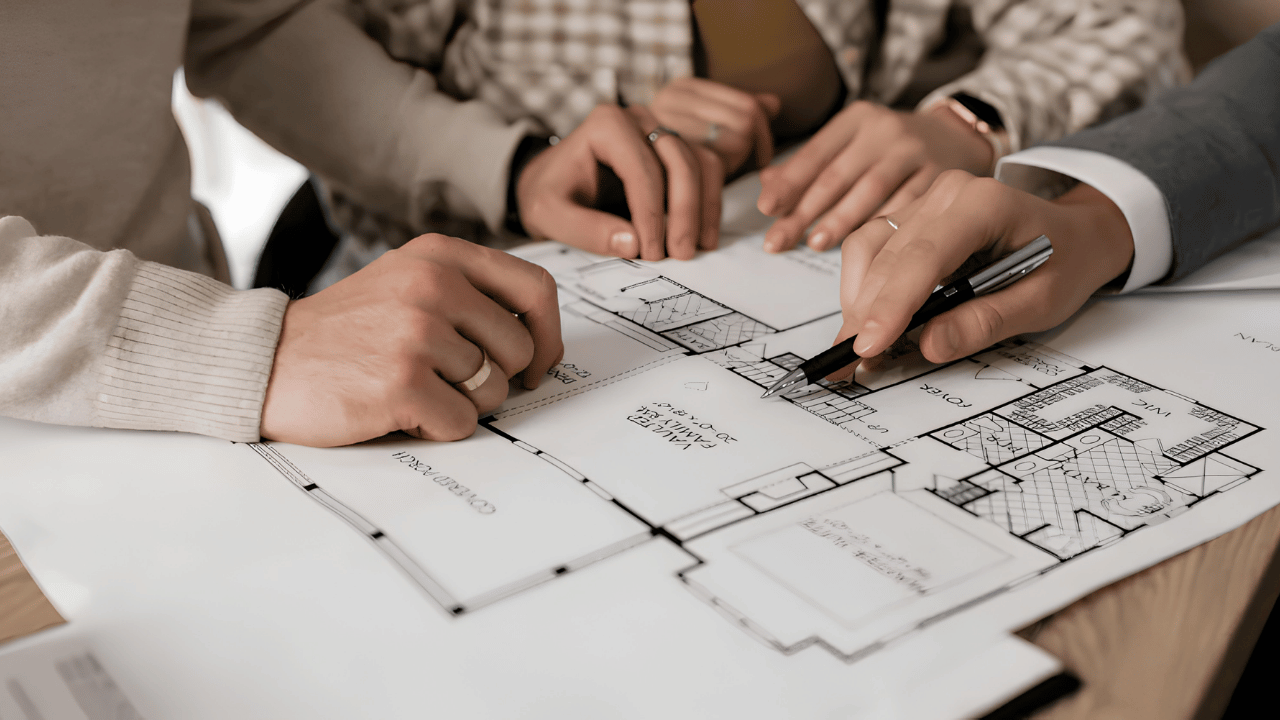
Every remodel lives or dies by what the plans capture and what they miss. Blueprints convey intent, but they rarely account for the full complexity behind walls, under floors, and across site conditions. If you treat drawings as the single source of truth, you risk cost overruns, schedule slips, and design compromises. The key is learning where blind spots hide and building processes that expose them early. With a disciplined preconstruction approach, robust field validation, and tight stakeholder alignment, you can turn potential pitfalls into opportunities to refine scope, preserve budget, and elevate the final result.
Validate Site Realities Before You Lock the Design
Blueprints are abstractions. Your job is to reconcile those abstractions with field data before decisions calcify. Start with a thorough site assessment that includes laser scanning or detailed as-built measurements to confirm dimensions, slopes, and clearances. Capture floor level variances, ceiling joist directions, and window rough openings. In older homes, expect variations that will affect cabinetry alignment, tile layout, and door swing tolerances.
Expand validation to exterior conditions. Verify drainage paths, utility locations, and soil conditions that influence foundation work, hardscaping, and waterproofing. Document anything that could impact new penetrations or structural connections, such as mature tree root zones or easements. The objective is to replace assumptions with verification, so the design reflects reality rather than an idealized representation.
Uncover Structural Implications Hidden in the Plan Set
Many remodels pivot on structural changes that seem straightforward on paper but introduce complexity in the field. Removing a partial wall may compel you to address load transfers across multiple framing members, not just within the opening. Sistering joists, adding posts, and designing beams to meet deflection criteria can cascade into changes for finishes, lighting, and HVAC runs.
Coordinate early with a structural engineer to test multiple schemes, comparing steel versus engineered lumber and considering point load distribution on existing foundations. Probe for blocking, fire-stops, and concealed framing irregularities that could restrict fastener options or hardware placement. If you plan to open ceilings, assess the feasibility of relocating ductwork and electrical conduits around new beams. Structural clarity is not only about capacity, it is about the knock-on effects to mechanical systems and finish details that carry both cost and schedule implications.
Coordinate Systems to Prevent Clash, Rework, and Noise Issues
Mechanical, electrical, and plumbing coordination is where remodel projects often encounter costly blind spots. Even small relocations can trigger code requirements for clearances, ventilation, and access panels. Develop a detailed coordination plan that maps routes, elevations, and fixture rough-ins, with specific attention to acoustics and serviceability. For example, relocating a bathroom across the hall demands a plan for drain slope, vent stack tie-ins, and sound isolation for the new wet wall.
Use a clash detection mindset. Imagine your future ceiling as a limited volume with competing claims from recessed lighting, sprinkler heads, exhaust ducts, and structural members. Move beyond generic symbols on a sheet and confirm exact can light depths, trim types, and insulation requirements. You will avoid last-minute changes that compromise design intent or reduce system performance. When the scope requires integrated oversight from design through build, consider partnering with contractors who design build in San Diego or your area to streamline decisions, consolidate responsibility, and make sure trade coordination is handled proactively rather than reactively.
Plan for Finish Tolerances and Sequencing That Protect Quality
Finish quality depends on what precedes it. If substrates are uneven, grout lines will wander, cabinet faces will appear misaligned, and reveals will vary. Include substrate preparation within the scope, specifying acceptable tolerances for flatness and level across floors and walls. Require mockups for critical junctions such as stair stringers and railing posts, tile transitions, and window trim profiles. Mockups create a shared expectation between design intent and field execution, making it easier to catch aesthetic or ergonomic issues before they spread across the project.
Sequencing matters. Plan material lead times and site storage strategies so the schedule does not push trades into shortcuts. If the flooring arrives late, your painters may need to protect finished surfaces while cutting in baseboards, which increases risk and reduces finish quality. Establish the critical path with realistic buffers for inspections and cure times, then lock down milestone dates for deliveries, installations, and punch list reviews. A little rigor in sequencing can prevent a long list of small imperfections that are expensive to correct at the end.
Budget for Unknowns and Manage Change With Discipline
Blind spots become expensive when there is no mechanism to absorb them. Build a contingency that reflects project complexity, age of the structure, and the volume of invasive work. Contingency is not a free-for-all; it is a disciplined reserve deployed only when a true unknown surfaces. Document discoveries, define the resolution, and issue tightly written change orders that track cost, schedule, and scope impact.
Protect budget integrity by setting thresholds for value engineering. If a substitution is proposed, evaluate performance, warranty, lifespan, and aesthetic alignment, not just first cost. Create a change control cadence with weekly reviews so decisions are prompt and transparent. The goal is to keep adjustments purposeful, not reactive, and to preserve the project’s core intent while staying financially responsible.
Secure Permits and Inspection Readiness Early
Permitting is often treated as a checkbox instead of a dynamic constraint on design. Codes govern egress, energy performance, fire safety, structural loads, and more. Bring your permitting strategy forward in the schedule and validate design choices against local requirements before construction documents are finalized. That might mean adjusting window sizes for egress, revising insulation assemblies for energy code compliance, or rethinking stair geometry to meet riser and tread standards.
Inspection readiness is a process, not an event. Build inspection dates into your schedule and prepare checklists for each phase. Confirm required documents, photos, and access for inspectors. If your project includes special inspections for structural steel, shear walls, or waterproofing, ensure third-party testing is coordinated to avoid delays. Being inspection-ready reduces idle time on site and builds trust with authorities having jurisdiction.
Conclusion
Blueprint blind spots are inevitable, but they do not have to derail your remodel. When you validate site conditions, clarify structural pathways, coordinate systems in detail, manage finish tolerances and sequencing, budget for unknowns, and align permitting with design, you reduce surprises and protect both quality and schedule. The best remodels are not the ones with the most elaborate plans, they are the ones with the clearest processes. Build those processes into your project from the start, and your drawings will become a reliable guide rather than a source of hidden risk.
This article is part of the HOGDigest editorial series.
Originally written by [Destiny Clarkson] and republished with permission.










 Living Room
 Armchairs
 Bar
Bar Coffee Tables
 Sofas
Sofas Side Tables
 Shelving
 TV Consoles
 Bedroom
 Beds
Beds Bedding Sets
 Dressers
 Mattress
 Pillows
 Wardrobes
 Bathroom
 Bathroom Accessories
 Showers & Bathtubs
 Water Heaters
 Water Closet
 Washbasin
 Dining
 Dining Tables
 Dining Chairs
 Dining Sets
 Dining Benches
 Sideboards
 Kitchen
 Cookware | Bakeware
 Cabinets
 Tableware | Serveware
 Big Appliances
 Small Appliances
 Sinks | Taps
 Storage | Organisation
 Utensils | Tools
 Lighting
 Ceiling Lights
 Table | Floor Lamps
 Light Bulbs | Hardware
 Outdoor Lighting
 Wall Lights
 Kids & Nursery
 Nursery furniture
 Kids Bedroom
 Kids Decor
 Chairs
 Swivel
 Visitors
 Tables | Desks
 Standard Desks
 Executive Desks
 Computer Desks
 Safe | Cabinets
 Bookshelves
 Credenzas
 Filing Cabinets
 Safes
Safes Lockers
 Conference
 Boardroom Sets
 Meeting Tables
 Seminar | Events
 Workstations
 Cubicle Workstations
 Open Workstations
 Reception
 Reception Desks
 Waiting Area
 School Furniture
 Classroom furniture
 Hostel Furniture
 Laboratory furniture
 Library Furniture
 Bistro Sets
 Metal Bistro Sets
 Rattan Bistro Sets
 Plastic Bistro Sets
 Wooden Bistro Sets
 Rattan
 Rattan Bar Sets
 Rattan Sofas
 Rattan Dining Sets
 Rattan Loungers
 Rattan Swing Chairs
 Rattan Accessories
 Shades & Canopies
 Cantilever Umbrellas
 Parasols
 Tents
Tents Gazebo
 Outdoor Essentials
 Outdoor Living
 Plants & Greenery
 Planters & Pots
 Garden Tools
 Appliances
 Cleaning Appliances
 Cooling & Air Treatment
 Home Finishing
 Carpets & Rugs
 Curtains & Blinds
 Décor
Décor Doors & Shades
 Paint & Wall Covering
 Plumbing Supplies
 Tools & Utility
 Hardware & Electricals
 Tools & Equipment
 Commercial & Specialty
 Hospital Furniture
 Supermarket
 Salon & Personal Care
 Pet Care