

What is a Storyboard? A Powerful Tool for Visual Planning

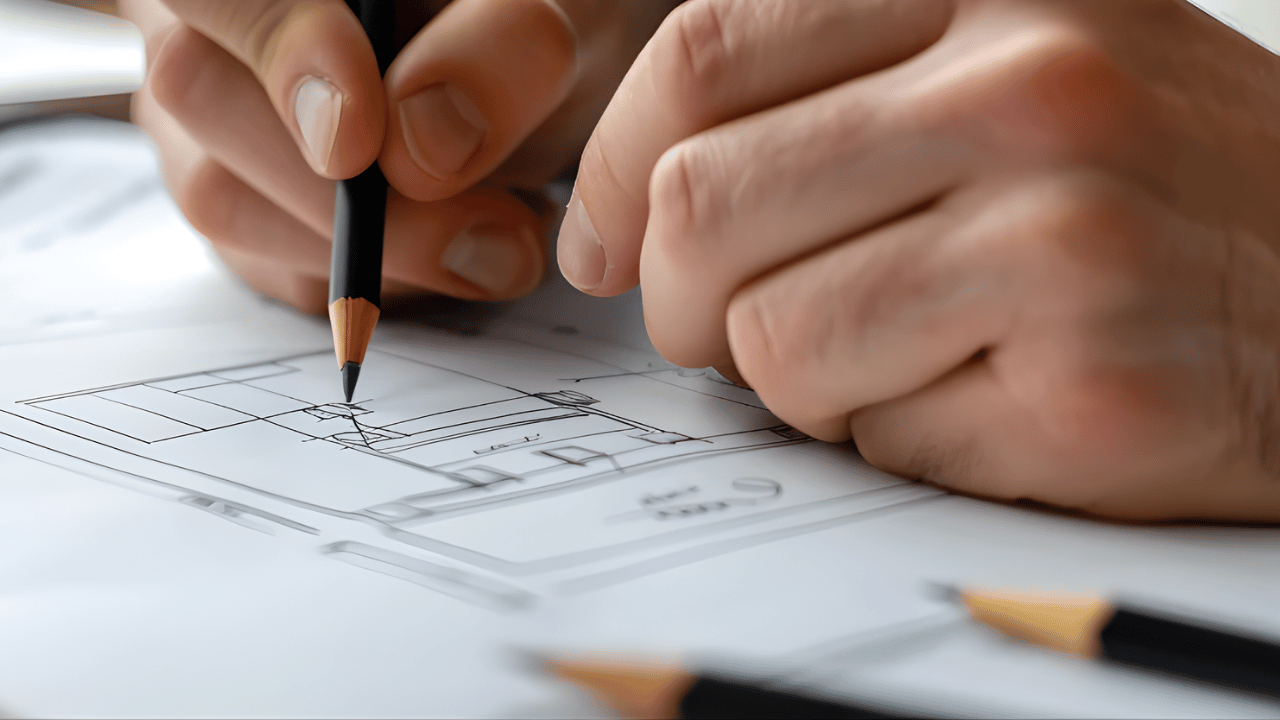
A Storyboard is an essential tool used to plan, visualize, and organize a project, helping creators bring their ideas to life efficiently. It is widely used in industries like film, animation, advertising, and video production. Whether you’re creating a film, an animated short, or a marketing campaign, a storyboard can save you time and help streamline the production process. But what exactly is a storyboard, and why is it so important? Let’s explore!
MoviesWhat is a Storyboard?
In simple terms, a storyboard is a visual representation of a story or project, arranged in sequential panels or frames. It’s like a comic strip where each frame captures a different part of a scene. These panels contain key details, such as camera angles, character actions, dialogue, and scene transitions. By organizing the story in this way, teams can plan out the entire project from start to finish, ensuring every detail is covered.
Whether you’re working on a movie, a commercial, or even a social media campaign, the storyboard serves as a blueprint for the entire project. It provides a roadmap that guides directors, writers, and crew members, making sure everyone is on the same page.
Why is a Storyboard Important?
A storyboard is a powerful tool that offers several advantages:
1. Visual Planning and Organization
One of the key benefits of using a storyboard is that it helps with visual planning. By sketching out the scenes ahead of time, you can better understand how the project will unfold. It helps you plan camera angles, lighting, transitions, and other important visual elements before the actual production begins. This level of detail reduces the chances of costly mistakes and ensures that the project stays on track.2. Streamlining Communication
Clear communication is essential in any collaborative project. A storyboard serves as a common reference point for everyone involved. It allows the director, cinematographer, writer, and other team members to understand the vision of the project. This visual aid improves the efficiency of meetings and discussions, saving time and avoiding miscommunication during the production process.
3. Creative Control
With a storyboard, the creative team can visualize the project in a way that ensures their artistic vision is captured. Whether it’s deciding on lighting, shot composition, or visual effects, the storyboard helps control the creative process. It allows you to experiment with different ideas and find the best way to tell the story visually before committing to expensive production stages.
4. Time and Resource Management
One of the most significant advantages of a storyboard is its ability to save time and resources. Since scenes are planned in advance, everyone knows what to expect during production. This prevents unnecessary delays and avoids wasting valuable resources. By having a clear plan in place, the production team can execute the project efficiently, making sure the shoot stays on schedule.How to Create a Storyboard?
Creating a storyboard may seem intimidating at first, but with the right approach, it’s a straightforward process. Here’s how to get started:
Step 1: Review the Script
Before you can begin drawing your storyboard, you need to thoroughly review the script. Identify the key scenes and understand the flow of the story. This will help you determine what to focus on when creating each frame of the storyboard.
Step 2: Choose the Right Template
There are many different storyboard templates available online. Some are designed for film, while others are better suited for animation or advertising. Choose a template that suits the type of project you’re working on. Each panel will have space for a drawing as well as descriptions of key actions, camera angles, and dialogue.
Step 3: Draw the Scenes
Start sketching out the scenes for each panel of your storyboard. You don’t need to be an artist—basic sketches will suffice to convey the key elements. Focus on the essential aspects, such as the positioning of the characters, the camera angles, and any significant actions or movements.Step 4: Add Descriptions
In addition to the drawings, each panel should include a written description. This might include dialogue, camera movements, sound effects, or special instructions for the scene. These notes help clarify the vision and make the storyboard a more effective tool for communication among the team.
Step 5: Review and Revise
Once you’ve completed your storyboard, take the time to review it with the team. Make sure everyone is aligned with the vision and that no crucial details are missing. Incorporate feedback and make necessary revisions before finalizing the storyboard.
Where is a Storyboard Used?
Storyboards are not limited to one particular industry. They are used in a variety of fields to help visualize and plan projects. Here are some common places where storyboards are used:
- Film and Television: Directors and cinematographers use storyboards to plan camera shots, lighting setups, and scene transitions.
- Animation: Animators rely on storyboards to design characters’ movements and ensure the story flows smoothly.
- Advertising: Marketers use storyboards to outline the visual narrative of their campaigns and advertisements.
- Education: Educators and trainers use storyboards to plan lessons and presentations in a visual format.
Storyboard Tools and ResourcesCreating a storyboard has never been easier, thanks to a variety of tools available online. Some popular platforms for creating storyboards include:
TV & Video
- Storyboard That: An online tool that allows users to create storyboards with customizable templates and easy drag-and-drop functionality.
- Canva: Known for its user-friendly design tools, Canva also offers storyboard templates for creating visually appealing plans.
- StudioBinder: A professional production management tool that provides advanced features for creating detailed storyboards and organizing projects.
For more detailed information, check out this link about Storyboard.
Conclusion
In conclusion, a storyboard is an invaluable tool for any project, whether it’s a film, animation, or advertising campaign. It helps plan, organize, and visualize every aspect of the project before production begins, ensuring that all team members are on the same page. By incorporating a storyboard into your process, you can save time, enhance creativity, and increase overall production efficiency. Don’t underestimate the power of this visual planning tool start creating your storyboard today and set your project on the path to success!
This article is part of the HOGDigest editorial series.
Originally written by [Sujain Thomas] and republished with permission.




 Living Room
 Armchairs
 Bar
Bar Coffee Tables
 Sofas
Sofas Side Tables
 Shelving
 TV Consoles
 Bedroom
 Beds
Beds Bedding Sets
 Dressers
 Mattress
 Pillows
 Wardrobes
 Bathroom
 Bathroom Accessories
 Showers & Bathtubs
 Water Heaters
 Water Closet
 Washbasin
 Dining
 Dining Tables
 Dining Chairs
 Dining Sets
 Dining Benches
 Sideboards
 Kitchen
 Cookware | Bakeware
 Cabinets
 Tableware | Serveware
 Big Appliances
 Small Appliances
 Sinks | Taps
 Storage | Organisation
 Utensils | Tools
 Lighting
 Ceiling Lights
 Table | Floor Lamps
 Light Bulbs | Hardware
 Outdoor Lighting
 Wall Lights
 Kids & Nursery
 Nursery furniture
 Kids Bedroom
 Kids Decor
 Chairs
 Swivel
 Visitors
 Tables | Desks
 Standard Desks
 Executive Desks
 Computer Desks
 Safe | Cabinets
 Bookshelves
 Credenzas
 Filing Cabinets
 Safes
Safes Lockers
 Conference
 Boardroom Sets
 Meeting Tables
 Seminar | Events
 Workstations
 Cubicle Workstations
 Open Workstations
 Reception
 Reception Desks
 Waiting Area
 School Furniture
 Classroom furniture
 Hostel Furniture
 Laboratory furniture
 Library Furniture
 Bistro Sets
 Metal Bistro Sets
 Rattan Bistro Sets
 Plastic Bistro Sets
 Wooden Bistro Sets
 Rattan
 Rattan Bar Sets
 Rattan Sofas
 Rattan Dining Sets
 Rattan Loungers
 Rattan Swing Chairs
 Rattan Accessories
 Shades & Canopies
 Cantilever Umbrellas
 Parasols
 Tents
Tents Gazebo
 Outdoor Essentials
 Outdoor Living
 Plants & Greenery
 Planters & Pots
 Garden Tools
 Appliances
 Cleaning Appliances
 Cooling & Air Treatment
 Home Finishing
 Carpets & Rugs
 Curtains & Blinds
 Décor
Décor Doors & Shades
 Paint & Wall Covering
 Plumbing Supplies
 Tools & Utility
 Hardware & Electricals
 Tools & Equipment
 Commercial & Specialty
 Hospital Furniture
 Supermarket
 Salon & Personal Care
 Pet Care