

What Elegant Really Mean in Interior Design-and How to Get It Right

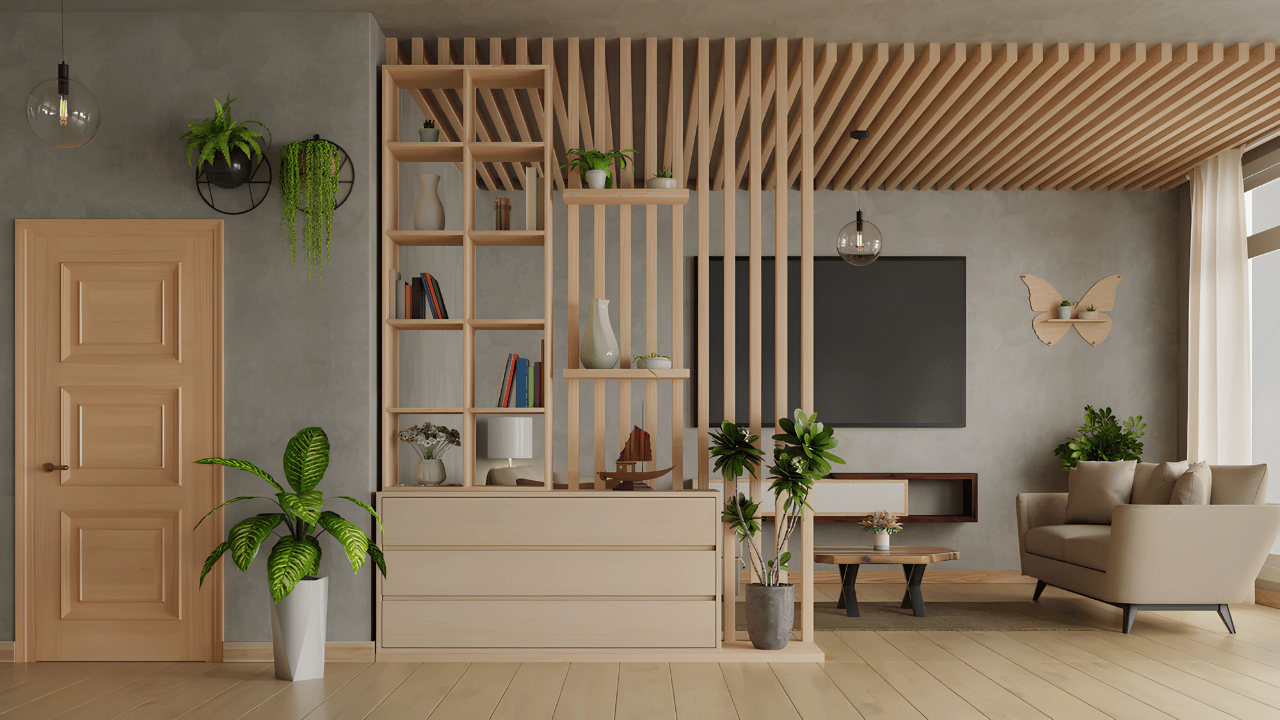
Warm whites, soft taupes, muted grays, and earthy undertones provide a calm backdrop that allows form and material to take center stage. Texture replaces color as the primary source of interest, making spaces feel layered and inviting rather than sterile.
Furniture That Feels Intentional
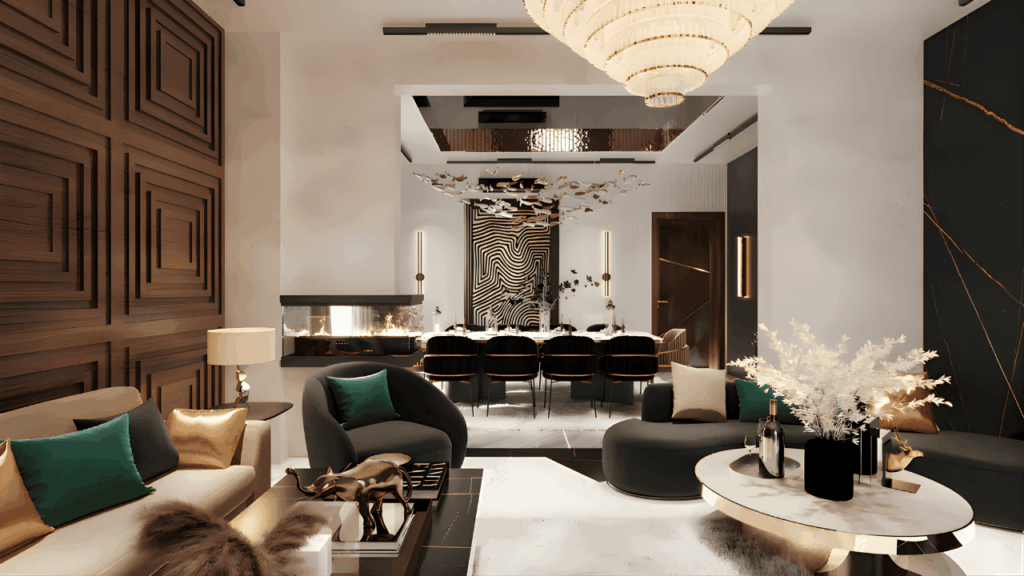
In elegant spaces, furniture is chosen carefully and sparingly. Pieces tend to have clean lines, refined proportions, and tactile materials. Instead of filling every corner, elegant interiors allow space around furniture, letting each piece contribute without dominating.
This approach also supports comfort. Furniture that looks good but feels awkward undermines elegance immediately. When seating, tables, and storage support how people actually live, elegance becomes livable rather than performative.
Lighting as a Subtle Enhancer
Lighting plays a critical role in creating elegance, yet it’s often overlooked. Harsh overhead lighting can flatten even the most beautiful interior. Elegant spaces use layered lighting to shape atmosphere and highlight architectural features.
Soft ambient light, discreet task lighting, and gentle accent lighting work together to create warmth and depth. The goal is never to spotlight the lighting itself, but to let it quietly enhance the space.
Simplicity With Purpose
Elegance thrives on simplicity—but not minimalism for its own sake. Every element in an elegant interior serves a purpose, whether functional or aesthetic. What’s missing is just as important as what’s present.
This intentional simplicity creates clarity. When a space feels easy to understand and move through, it naturally feels more refined.
Personalization Without Excess
Elegant interiors still reflect personality, but in a controlled, thoughtful way. Instead of filling a space with personal items, elegance comes from curation. A few meaningful pieces—art, books, or objects—carry more impact than many loosely connected one
This restraint allows personal elements to feel significant rather than cluttered, reinforcing the sense of calm that defines elegant spaces.
Elegance Ages Well
Perhaps the most important characteristic of elegance is how it holds up over time. Trend-driven interiors often feel dated quickly, while elegant spaces tend to improve with age. Materials develop patina, layouts remain functional, and design choices continue to feel relevant.
Elegance prioritizes longevity over novelty, which is why it often feels timeless rather than fashionable.
How to Get Elegance Right in Your Own Space
To create an elegant interior, start by removing rather than adding. Edit what doesn’t serve a clear purpose. Focus on proportion, quality materials, and thoughtful lighting. Choose furniture for comfort and longevity. Let the space breathe
Elegance isn’t about copying a look—it’s about cultivating a feeling.
Elegant interior design isn’t defined by excess or expense. It’s defined by balance, intention, and quiet confidence. When spaces are thoughtfully composed, materially honest, and designed for real life, elegance becomes less about style and more about experience—and that’s when it truly works.
This article is part of the HOGDigest editorial series.
Originally written and republished with permission.




 Living Room
 Armchairs
 Bar
Bar Coffee Tables
 Sofas
Sofas Side Tables
 Shelving
 TV Consoles
 Bedroom
 Beds
Beds Bedding Sets
 Dressers
 Mattress
 Pillows
 Wardrobes
 Bathroom
 Bathroom Accessories
 Showers & Bathtubs
 Water Heaters
 Water Closet
 Washbasin
 Dining
 Dining Tables
 Dining Chairs
 Dining Sets
 Dining Benches
 Sideboards
 Kitchen
 Cookware | Bakeware
 Cabinets
 Tableware | Serveware
 Big Appliances
 Small Appliances
 Sinks | Taps
 Storage | Organisation
 Utensils | Tools
 Lighting
 Ceiling Lights
 Table | Floor Lamps
 Light Bulbs | Hardware
 Outdoor Lighting
 Wall Lights
 Kids & Nursery
 Nursery furniture
 Kids Bedroom
 Kids Decor
 Chairs
 Swivel
 Visitors
 Tables | Desks
 Standard Desks
 Executive Desks
 Computer Desks
 Safe | Cabinets
 Bookshelves
 Credenzas
 Filing Cabinets
 Safes
Safes Lockers
 Conference
 Boardroom Sets
 Meeting Tables
 Seminar | Events
 Workstations
 Cubicle Workstations
 Open Workstations
 Reception
 Reception Desks
 Waiting Area
 School Furniture
 Classroom furniture
 Hostel Furniture
 Laboratory furniture
 Library Furniture
 Bistro Sets
 Metal Bistro Sets
 Rattan Bistro Sets
 Plastic Bistro Sets
 Wooden Bistro Sets
 Rattan
 Rattan Bar Sets
 Rattan Sofas
 Rattan Dining Sets
 Rattan Loungers
 Rattan Swing Chairs
 Rattan Accessories
 Shades & Canopies
 Cantilever Umbrellas
 Parasols
 Tents
Tents Gazebo
 Outdoor Essentials
 Outdoor Living
 Plants & Greenery
 Planters & Pots
 Garden Tools
 Appliances
 Cleaning Appliances
 Cooling & Air Treatment
 Home Finishing
 Carpets & Rugs
 Curtains & Blinds
 Décor
Décor Doors & Shades
 Paint & Wall Covering
 Plumbing Supplies
 Tools & Utility
 Hardware & Electricals
 Tools & Equipment
 Commercial & Specialty
 Hospital Furniture
 Supermarket
 Salon & Personal Care
 Pet Care