

The Perfect Backdrop: How Professional Interior Painting Elevates Your Furniture Aesthetic

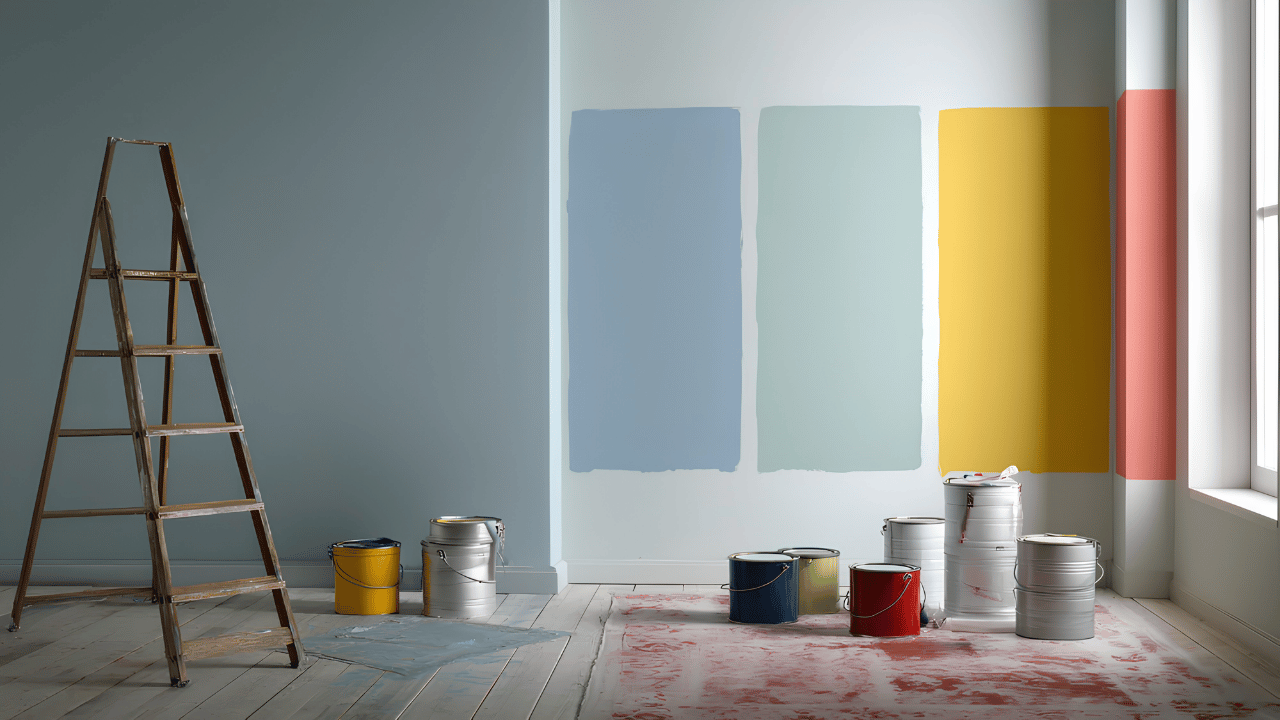
Ever walked into a room and felt something was off, but couldn’t quite put your finger on it? The furniture looks great, the layout’s spot on, but somehow the whole thing feels a bit flat. Nine times out of ten, it’s the walls doing the talking.
Here’s the thing about interior paint: it’s basically the foundation of everything else in your room. Your gorgeous dining table might be a showstopper, but against tired, outdated walls? It’s fighting an uphill battle.
Why Your Walls Matter More Than You Think
Picture this scenario. You’ve just splashed out on a beautiful new sofa. Rich navy fabric, perfect proportions, the works. But it’s sitting against walls that haven’t seen a fresh coat in years. The colour’s gone dull, maybe there are a few scuff marks, and the whole thing just looks a bit tired.
Now imagine that same sofa against crisp, professionally painted walls. Suddenly, it’s not just furniture anymore. It’s the star of the show.
The truth is, walls are like the supporting actors in a great movie. When they’re doing their job well, you barely notice them. But when they’re not? Everything else suffers.
Getting the Colour Story Right
This part’s a bit tricky, but it’s where the magic happens. Choosing paint colours isn’t just about what you like. It’s about what makes your furniture look its absolute best.
Take wood furniture, for example. Dark timber pieces absolutely sing against lighter walls. There’s this beautiful contrast that makes the grain pop and the whole piece feel more substantial. But put that same dark wood against dark walls? It kind of disappears.
On the flip side, if you’ve got lighter furniture, you’ve got more flexibility. Soft greys, warm whites, even deeper colours can work beautifully. The key is thinking about the mood you’re after.
The Professional Difference
Look, anyone can pick up a brush and slap some paint on a wall. But there’s something to be said for getting it done properly. Professional painters know about things like primer selection, finish types, and proper surface prep. Boring stuff, maybe, but it shows in the final result.
When you work with a skilled interior painter in Sydney, you’re not just getting someone to change the colour of your walls. You’re getting someone who understands how different finishes catch light, how colours shift throughout the day, and how to create the kind of flawless backdrop that makes everything else in the room look more expensive.
Small Changes, Big Impact
Actually, you don’t always need to repaint entire rooms to see a difference. Sometimes it’s just one accent wall that transforms everything. Or maybe it’s finally dealing with that hallway that connects all your living spaces.
The other day, someone mentioned how painting their dining room completely changed how they felt about their antique table set. Same furniture, same room, but suddenly everything felt more cohesive and intentional.
Beyond Just Pretty Walls
Fresh paint does something else too. It makes everything feel cleaner and more put-together. Your furniture doesn’t have to work as hard to look good when it’s got a perfect backdrop supporting it.
Plus, there’s that psychological effect. When your walls look fresh and well-maintained, your whole space feels more valuable. Your furniture benefits from that association.
Making It Work for You
The best part about using paint to enhance your furniture? It’s relatively affordable compared to buying new pieces. You can completely transform how your existing furniture looks and feels without starting from scratch.
Whether you’re working with inherited pieces,
Ever walked into a beautifully designed room and felt something was just… off? Maybe the furniture was gorgeous, the lighting perfect, but somehow the whole thing felt uncomfortable. Here’s the thing – you might have been experiencing what designers call “climate disconnect.”
The truth is, even the most stunning interior can fall flat if the air conditioning system clunks along like a rusty old truck or creates hot and cold spots throughout the room. Modern climate control isn’t just about keeping cool anymore. It’s become an invisible foundation that either supports or sabotages great design.
When Air Conditioning Becomes Art
Picture this: you’ve spent months planning the perfect living room. Clean lines, carefully chosen textures, everything in harmony. Then comes installation day for a bulky AC unit that screams “industrial eyesore” from the corner. Pretty frustrating, right?
Smart designers have figured out that today’s sleek climate systems can actually enhance a room’s aesthetic rather than fight against it. The best units practically disappear into walls or ceilings, leaving nothing but perfectly conditioned air and whisper-quiet operation.
But here’s where it gets interesting. Some homeowners are discovering that premium systems like TCL air conditioners on sale can deliver both the invisible performance and the energy efficiency that modern homes demand. These units tend to blend so well with contemporary design that guests often can’t figure out where the cooling is even coming from.
The Sound of Silence (Or Why Noise Kills Design)
Actually, let’s talk about something designers obsess over but rarely mention: acoustic comfort. A gorgeous minimalist bedroom loses all its zen appeal when an AC unit sounds like it’s preparing for takeoff every few minutes.
Modern climate control systems have gotten incredibly quiet. We’re talking library-level whisper quietly. This matters more than you might think because sound affects how we experience a room almost as much as visual elements do.
The thing is, when your climate control works silently in the background, other design elements can shine. That expensive sound system actually sounds crisp. Conversations flow naturally. Even the quality of sleep improves, which means you’ll actually enjoy that carefully designed bedroom sanctuary.
Temperature Zones and Design Flow
Here’s something pretty cool that’s happening in interior design – climate control is starting to work with room layouts rather than against them. Traditional systems often created awkward hot or cold spots that forced furniture placement compromises.
Newer systems can create different temperature zones throughout open-plan homes. Your kitchen can stay cooler while you’re cooking, while the living area maintains perfect comfort for lounging. No more rearranging furniture to avoid that one spot where the AC blasts directly onto the dining table.
Energy Efficiency Meets Aesthetic Appeal
To be honest, sustainable design has become pretty much non-negotiable for most homeowners. Nobody wants a beautiful home that costs a fortune to cool or heats up the planet unnecessarily.
The latest climate control technology manages to be both environmentally responsible and design-forward. Energy-efficient systems often feature cleaner lines and more compact profiles than their power-hungry predecessors. It’s like the engineering improvements naturally led to better aesthetics.
Plus, smart climate systems can learn your daily routines and adjust automatically. They’re not constantly cycling on and off, which means less wear on both the system and your nerves.
Installation That Works With Design
Look, even the sleekest AC system can look terrible if it’s poorly installed. The good news is that installation teams are getting better at working with design intentions rather than just finding the most convenient wall space.
Professional installers now consider sight lines, furniture placement, and overall room flow when positioning units. Some systems can even be recessed into walls or ceilings during construction or renovation for that completely integrated look.
The bottom line? Climate control has evolved from a necessary evil into a design asset. When done right, it’s the invisible essential that makes every other design choice work better.
This article is part of the HOGDigest editorial series.
Originally written and republished with permission.



 Living Room
 Armchairs
 Bar
Bar Coffee Tables
 Sofas
Sofas Side Tables
 Shelving
 TV Consoles
 Bedroom
 Beds
Beds Bedding Sets
 Dressers
 Mattress
 Pillows
 Wardrobes
 Bathroom
 Bathroom Accessories
 Showers & Bathtubs
 Water Heaters
 Water Closet
 Washbasin
 Dining
 Dining Tables
 Dining Chairs
 Dining Sets
 Dining Benches
 Sideboards
 Kitchen
 Cookware | Bakeware
 Cabinets
 Tableware | Serveware
 Big Appliances
 Small Appliances
 Sinks | Taps
 Storage | Organisation
 Utensils | Tools
 Lighting
 Ceiling Lights
 Table | Floor Lamps
 Light Bulbs | Hardware
 Outdoor Lighting
 Wall Lights
 Kids & Nursery
 Nursery furniture
 Kids Bedroom
 Kids Decor
 Chairs
 Swivel
 Visitors
 Tables | Desks
 Standard Desks
 Executive Desks
 Computer Desks
 Safe | Cabinets
 Bookshelves
 Credenzas
 Filing Cabinets
 Safes
Safes Lockers
 Conference
 Boardroom Sets
 Meeting Tables
 Seminar | Events
 Workstations
 Cubicle Workstations
 Open Workstations
 Reception
 Reception Desks
 Waiting Area
 School Furniture
 Classroom furniture
 Hostel Furniture
 Laboratory furniture
 Library Furniture
 Bistro Sets
 Metal Bistro Sets
 Rattan Bistro Sets
 Plastic Bistro Sets
 Wooden Bistro Sets
 Rattan
 Rattan Bar Sets
 Rattan Sofas
 Rattan Dining Sets
 Rattan Loungers
 Rattan Swing Chairs
 Rattan Accessories
 Shades & Canopies
 Cantilever Umbrellas
 Parasols
 Tents
Tents Gazebo
 Outdoor Essentials
 Outdoor Living
 Plants & Greenery
 Planters & Pots
 Garden Tools
 Appliances
 Cleaning Appliances
 Cooling & Air Treatment
 Home Finishing
 Carpets & Rugs
 Curtains & Blinds
 Décor
Décor Doors & Shades
 Paint & Wall Covering
 Plumbing Supplies
 Tools & Utility
 Hardware & Electricals
 Tools & Equipment
 Commercial & Specialty
 Hospital Furniture
 Supermarket
 Salon & Personal Care
 Pet Care