

The Zero-Skill Gardener’s Guide to Backyard Landscaping

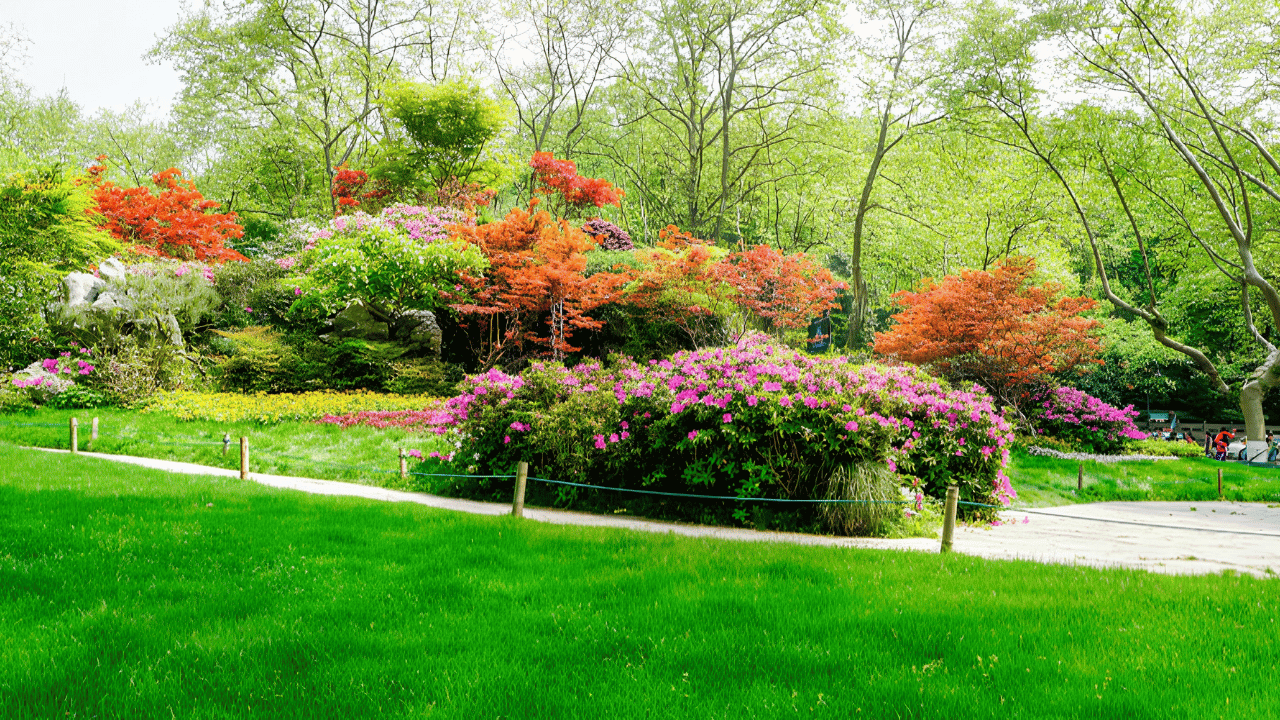
A well-landscaped backyard makes you want to spend more time outside and feel proud about inviting guests over to enjoy the area, too. Many people without landscaping experience believe that creating a beautiful backyard is outside their capabilities. Fortunately, you can get lovely results by being willing to learn and remaining patient. How should you start?
Consider Your Goals
Begin by determining what you want to achieve with the landscaping efforts. People frequently enhance the curb appeal of their homes, while others aim to support local sustainability by choosing plants to accommodate wildlife. Turning part of the area into a garden with edible items is another popular choice, especially as homeowners seek practical ways to cope with rising grocery costs.
As you ponder the possibilities, consider related aspects, such as your budget and the amount of time you can dedicate to maintaining the backyard during a typical week. Think about whether you will do everything yourself or occasionally hire professionals to help.
Prioritize Native Plants
The huge assortments of products at many garden centers can feel overwhelming, especially as you study the various colors, textures, and other attributes of the products offered. How should you determine which will thrive in your backyard? One of the best starting points is to focus on native plants. They naturally require less care than their counterparts due to their adaptation to the surroundings.
Some amateur gardeners have taken to online forums to warn others that many major retailers sell invasive plants to consumers who are unfamiliar with the potential consequences of planting them in their backyards. You can avoid that issue by spending some time researching the native plants that will thrive in your area and focusing on those during shopping trips. Some specialty retailers have dedicated sections, and venues such as college campuses periodically host native plant sales.
Incorporate Hardscaping Features
Hardscaping involves adding permanent elements to your backyard, such as statues, stepping stones, fountains, and bricks. This approach is an easy way to define different areas of the garden by creating visual separation. It also reduces the amount of grass for you to mow.
Permeable pathways are excellent options for reducing foot traffic on your lawn by directing people to designated walking areas. They increase backyard resilience by making water seep into the ground, reducing soil compaction. If your area gets a lot of rain, these options can prevent flooding.
Aerate the Lawn
Lawn aeration is a seasonal task that facilitates the green, lush grass that is the foundation of a beautiful backyard. It involves using a mechanical aerator to remove dirt plugs from the turf. Although many people initially achieve good results with mowing and watering alone, aeration supplements those efforts by encouraging the grass to grow deeper roots, making it more tolerant of heat and drought and increasing its disease resistance.
Checking if your lawn needs aeration is as easy as cutting a six-inch-deep cross-section into it.
Then, check to see if the thatch layer — composed of organic debris such as grass clippings — is more than a half-inch thick. That’s a sign to aerate, and you should also do it if the roots only extend 1 to 2 inches into the soil.
Conduct a Soil Test
Plants need many essential nutrients to grow. Conducting a soil test is a reliable way to check for their presence and availability, providing the necessary information to make adjustments as required. Numerous factors influence the composition, including the pH level, microbial activity, and vegetation. Garden centers sell soil test kits, and using them is the most convenient approach for someone with no experience.
Experts recommend testing the soil every two to four years, and ideally in the autumn. Doing it then gives you more time to think about making strategic changes for better soil health by the time spring arrives.
Select Plants to Match the Light Levels
You’ve probably seen labels and soil cards that mention the amount of sunlight a plant needs. Instead of giving a numerical range to indicate the hours, the information typically uses phrases such as “partial sun.” Before getting into the details, become more familiar with your backyard and the amount of sunlight it receives by examining it every half hour or so for at least a week. Take notes about how often the sun bathes a particular area or whether that part of your yard remains shaded.
If a plant requires full sun, it needs six to eight hours of sunlight daily, mostly occurring between 10 a.m. and 4 p.m. Then, if a plant’s details call for partial sun or partial shade, those are interchangeable terms indicating four to six hours of sun per day, and preferably during the cooler hours of the morning. Another thing to note is that if a plant requires partial shade, that means it needs protection from the most intense midday heat.
Conquer Challenging Conditions With Rock Gardens
Your backyard may have features such as slopes, poor soil quality or excessive dryness. Those may initially seem like insurmountable challenges, especially for a beginning landscaper. You can work with those characteristics by creating a rock garden. They let you recreate an alpine environment that includes loose rocks, wildflowers, and low-growing vegetation.
All you need to start is a small open area, ideally on an east-facing slope with rocky soil. Create a mixture that contains one-third each of soil, small rocks, and sand or another material to promote good drainage. After building that base, you can add larger rocks and arrange them as desired. Finally, include plants suited for dry conditions. You won’t need to fertilize them because they’ll get nutrients from the rocks.
Work Within Your Means
Besides considering these tips, always try to keep backyard gardening fun by staying mindful of your budget, time, and the other activities that fill your life. Even if you have a hectic schedule, it’s easy to make gradual but meaningful impacts by focusing on the improvements most accessible to you.
This article is part of the HOGDigest editorial series.
Originally written by [Jane Marsh] and republished with permission.




 Living Room
 Armchairs
 Bar
Bar Coffee Tables
 Sofas
Sofas Side Tables
 Shelving
 TV Consoles
 Bedroom
 Beds
Beds Bedding Sets
 Dressers
 Mattress
 Pillows
 Wardrobes
 Bathroom
 Bathroom Accessories
 Showers & Bathtubs
 Water Heaters
 Water Closet
 Washbasin
 Dining
 Dining Tables
 Dining Chairs
 Dining Sets
 Dining Benches
 Sideboards
 Kitchen
 Cookware | Bakeware
 Cabinets
 Tableware | Serveware
 Big Appliances
 Small Appliances
 Sinks | Taps
 Storage | Organisation
 Utensils | Tools
 Lighting
 Ceiling Lights
 Table | Floor Lamps
 Light Bulbs | Hardware
 Outdoor Lighting
 Wall Lights
 Kids & Nursery
 Nursery furniture
 Kids Bedroom
 Kids Decor
 Chairs
 Swivel
 Visitors
 Tables | Desks
 Standard Desks
 Executive Desks
 Computer Desks
 Safe | Cabinets
 Bookshelves
 Credenzas
 Filing Cabinets
 Safes
Safes Lockers
 Conference
 Boardroom Sets
 Meeting Tables
 Seminar | Events
 Workstations
 Cubicle Workstations
 Open Workstations
 Reception
 Reception Desks
 Waiting Area
 School Furniture
 Classroom furniture
 Hostel Furniture
 Laboratory furniture
 Library Furniture
 Bistro Sets
 Metal Bistro Sets
 Rattan Bistro Sets
 Plastic Bistro Sets
 Wooden Bistro Sets
 Rattan
 Rattan Bar Sets
 Rattan Sofas
 Rattan Dining Sets
 Rattan Loungers
 Rattan Swing Chairs
 Rattan Accessories
 Shades & Canopies
 Cantilever Umbrellas
 Parasols
 Tents
Tents Gazebo
 Outdoor Essentials
 Outdoor Living
 Plants & Greenery
 Planters & Pots
 Garden Tools
 Appliances
 Cleaning Appliances
 Cooling & Air Treatment
 Home Finishing
 Carpets & Rugs
 Curtains & Blinds
 Décor
Décor Doors & Shades
 Paint & Wall Covering
 Plumbing Supplies
 Tools & Utility
 Hardware & Electricals
 Tools & Equipment
 Commercial & Specialty
 Hospital Furniture
 Supermarket
 Salon & Personal Care
 Pet Care