

Flat Roof Installation: Instructions, costs, and Steps

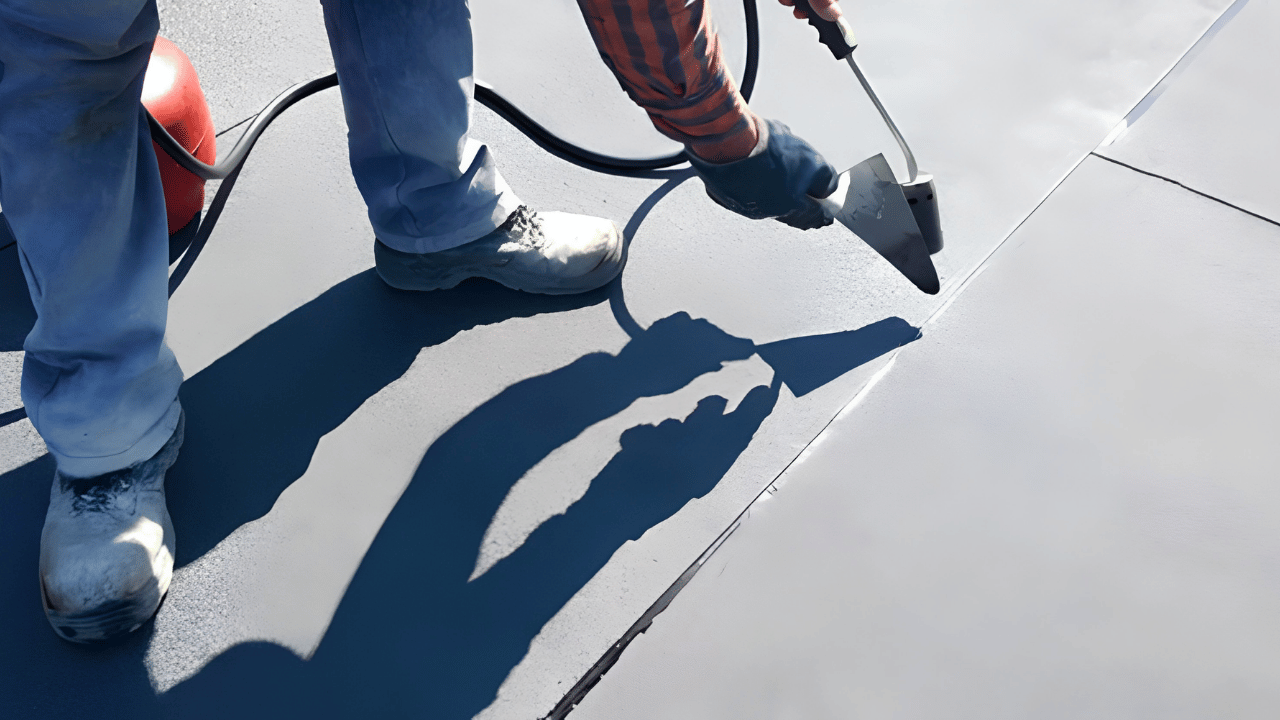
Flat roofs are becoming more common than ever before — not just for commercial buildings but also for modern homes. According to the National Roofing Contractors Association (NRCA), about 25% of all new residential roofs in the U.S. are now flat or low-slope designs. In commercial construction, this number rises to over 70%. The global flat roofing market is projected to reach $65 billion by 2030, growing at a CAGR of 6%, driven by urban architecture trends, energy efficiency needs, and easier installation techniques.
Why the popularity?
Flat roofs are stylish, functional, and cost-effective. They allow for rooftop gardens, solar panels, and even lounge spaces. Plus, their installation is faster and easier than traditional sloped roofs — when done correctly.
In this blog, we’ll cover everything you need to know about flat roof installation, including:
Key advantages and disadvantages
Popular materials used for flat roofs
Step-by-step installation process
Cost breakdown (per square foot and by material)
Maintenance and lifespan
Expert tips to avoid leaks and damage
1. What Is a Flat Roof?
A flat roof isn’t completely flat — it has a slight slope (about 1/4 inch per foot) to allow for water drainage. These roofs are commonly seen in modern, minimalist architecture, commercial buildings, warehouses, and industrial structures.
Key Features:
Minimal slope for drainage
Typically made of waterproof membranes
Easy to install and maintain
Provides usable rooftop space
Common Uses:
Residential homes (especially contemporary designs)
Garages and extensions
Office buildings and retail stores
Warehouses and factories
2. Pros and Cons of Flat Roofs
Advantages:
1. Lower Installation Cost:
Flat roofs require less material and labor than sloped roofs, making them more affordable.
2. Faster Installation:
Most flat roofs can be installed in a few days.
3. Usable Space:
You can use the rooftop for HVAC units, solar panels, or even as a deck or garden.
4. Modern Aesthetics:
Sleek and minimalist — perfect for contemporary homes.
5. Easier Maintenance:
You can walk on a flat roof safely, which makes cleaning and inspection easy.
Disadvantages:
1. Drainage Issues:
Without proper slope and drainage, water can pool and cause leaks.
2. Shorter Lifespan:
Typically lasts 15–30 years, depending on the material.
3. Heat Retention:
Can absorb more heat if not properly insulated.
4. Limited Material Options:
Only specific roofing systems work well for flat surfaces.
3. Popular Flat Roofing Materials
Choosing the right material is the most important part of your flat roof installation. Let’s look at the most common types used in 2025:
1. EPDM Rubber Roofing
Full Form: Ethylene Propylene Diene Monomer
Lifespan: 25–30 years
Cost: $4–$8 per sq. ft. (installed)
Pros: Flexible, UV-resistant, easy to repair
Cons: Can tear under heavy foot traffic
Best For: Commercial buildings and residential roofs with limited access.
2. TPO Roofing (Thermoplastic Polyolefin)
Lifespan: 20–30 years
Cost: $5–$9 per sq. ft.
Pros: Energy-efficient, white reflective surface reduces cooling costs
Cons: Seams can weaken over time if not heat-welded properly
Best For: Homes in warm climates seeking energy savings.
3. PVC Roofing
Lifespan: 25–35 years
Cost: $6–$12 per sq. ft.
Pros: Waterproof, durable, chemical-resistant
Cons: Slightly more expensive than TPO
Best For: Restaurants or buildings with grease vents and chemical exposure.
4. Modified Bitumen (Asphalt-Based)
Lifespan: 15–25 years
Cost: $4–$8 per sq. ft.
Pros: Affordable, easy to install, good for small buildings
Cons: Susceptible to heat damage
Best For: Garages, sheds, or small commercial roofs.
5. Built-Up Roofing (BUR)
Lifespan: 20–30 years
Cost: $5–$10 per sq. ft.
Pros: Thick, durable, great waterproofing
Cons: Heavy, labor-intensive installation
Best For: Large commercial buildings needing extra protection.
4. Flat Roof Installation Process (Step-by-Step)
Let’s break down how professionals install a flat roof.
While DIYers can attempt smaller projects, hiring a licensed roofer is strongly recommended for waterproofing and long-term performance.
Step 1: Inspection and Measurement
Before starting, the roofer inspects the structure for:
Roof deck condition
Drainage points
Load-bearing capacity
They then measure the roof’s dimensions and slope to estimate material needs.
Step 2: Prepare the Roof Deck
The existing surface (if any) is cleaned and stripped down to the deck.
Any damaged sections are repaired or replaced.
A layer of insulation board is installed to improve energy efficiency.
Step 3: Install a Vapor Barrier
A vapor barrier sheet prevents moisture from entering the insulation and causing damage.
This step is crucial in humid climates or buildings with high indoor humidity.
Step 4: Lay Insulation Boards
Insulation boards are attached using adhesive or mechanical fasteners.
Common insulation materials include:
Polyisocyanurate (ISO)
Expanded polystyrene (EPS)
Extruded polystyrene (XPS)
Step 5: Apply Roofing Membrane
This is the main waterproof layer. Depending on the system:
EPDM: Rolled out and glued down.
TPO/PVC: Heat-welded seams for a watertight bond.
Modified Bitumen: Torched or cold-applied in multiple layers.
Step 6: Add Flashing and Edging
Metal flashing is installed along edges, vents, and joints to seal gaps and prevent leaks.
Proper flashing is critical for roof longevity.
Step 7: Seal and Inspect
After installation, seams are sealed, and a professional inspection ensures all areas are watertight.
The roof is then tested for drainage and ponding water.
5. Cost of Flat Roof Installation in 2025
Flat roofing costs vary by:
Material type
Roof size
Location and labor costs
Removal of old roofing
Here’s an approximate cost guide (including materials + labor):
Roof Type
Cost per Sq. Ft.
Average Total Cost (1,000 sq. ft.)
Lifespan
EPDM
$4–$8
$4,000–$8,000
25–30 years
TPO
$5–$9
$5,000–$9,000
20–30 years
PVC
$6–$12
$6,000–$12,000
25–35 years
Modified Bitumen
$4–$8
$4,000–$8,000
15–25 years
Built-Up Roofing (BUR)
$5–$10
$5,000–$10,000
20–30 years
Additional Costs:
Roof insulation: $1–$2 per sq. ft.
Roof drainage system: $500–$2,000
Roof coating (optional): $1–$3 per sq. ft.
6. How Long Does Flat Roof Installation Take?
Installation time depends on roof size and weather conditions.
Residential roofs: 2–5 days
Commercial roofs: 1–2 weeks
If old materials need removal or structural repair, add 1–3 extra days.
7. Maintenance Tips for Flat Roofs
Proper maintenance extends your roof’s lifespan by 5–10 years.
Tips:
1. Inspect Twice a Year:
Check after heavy rain or snow.
2. Clean Debris and Leaves:
Prevents ponding water.
3. Check for Cracks or Blisters:
Seal immediately with compatible patch kits.
4. Keep Gutters Clear:
Blocked drains cause water pooling.
5. Recoat Every 5–7 Years:
Use reflective or waterproof coatings for protection.
8. Common Flat Roof Problems (and Fixes)
Problem
Cause
Solution
Ponding Water
Poor slope or clogged drains
Add tapered insulation or improve drainage
Leaks
Damaged membrane or flashing
Patch or reseal
Blistering
Trapped air or moisture
Cut, reseal, or replace the affected section
UV Damage
Sun exposure
Apply reflective coating
Mold Growth
Standing water
Clean with biocide and improve drainage
9. Flat Roof Lifespan by Material
Material
Average Lifespan
Maintenance Needs
EPDM
25–30 years
Low
TPO
20–30 years
Moderate
PVC
25–35 years
Low
Modified Bitumen
15–25 years
Moderate
BUR
20–30 years
High
10. Energy Efficiency and Insulation Benefits
Flat roofs can save energy when paired with the right insulation and coatings.
Cool Roof Coatings:
Reflect sunlight and reduce indoor cooling costs by 15–25%.
Green Roof Systems:
Add vegetation layers for natural insulation and stormwater control.
Solar-Ready Design:
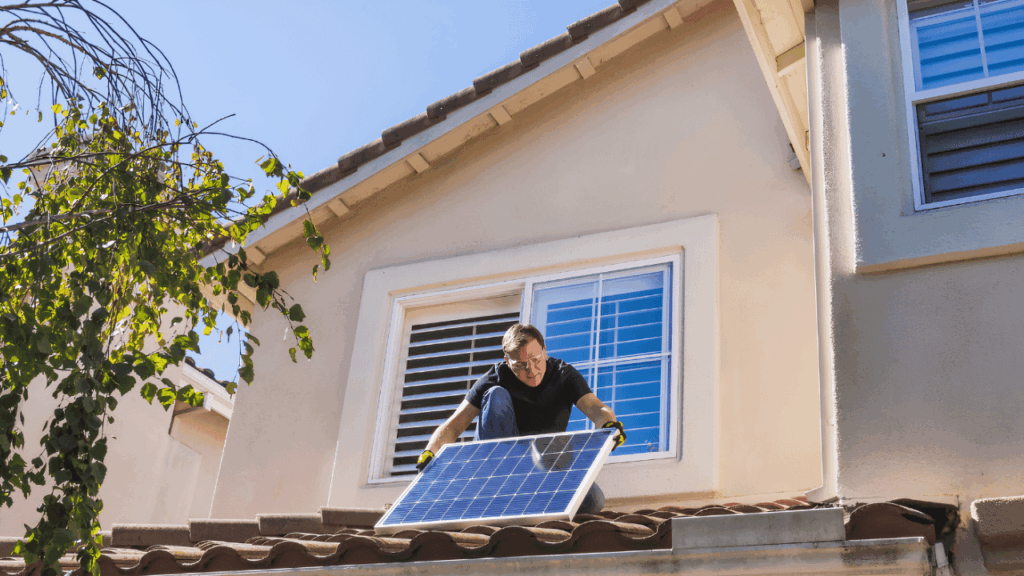
Flat roofs are perfect for solar panel installations — improving property value and cutting electricity bills.
11. DIY vs Professional Installation
Aspect
DIY Installation
Professional Installation
Cost
Lower upfront
Higher but longer-lasting
Quality
Depends on skill
Guaranteed
Warranty
Often none
Usually 10–25 years
Safety
Risky on large roofs
Trained & insured
Recommended For
Small sheds/garages
Homes & commercial buildings
Unless you’re experienced, professional installation ensures correct drainage, waterproofing, and warranty coverage.
12. Environmental Benefits of Flat Roofs
Modern flat roofs are eco-friendly when paired with sustainable materials.
Recyclable membranes (like TPO and PVC) reduce landfill waste.
Cool roofs lower carbon emissions.
Green roofs improve air quality and biodiversity.
These factors make flat roofs a top choice for LEED-certified and energy-efficient buildings.
13. How to Choose the Right Contractor
Before hiring, look for:
1. License and Insurance
2. Experience with Flat Roofing Systems
3. Manufacturer Certifications (like GAF or Firestone)
4. Detailed Written Estimate
5. References or Reviews
Ask for warranty details — most reputable installers offer 10–25 years of workmanship warranty.
14. Flat Roof Replacement and Reroofing
If your flat roof is over 20 years old and shows signs of water damage or membrane wear, replacement might be better than repair.
Reroofing involves installing a new membrane over the old one if the deck is still strong.
Replacement Cost: $5–$12 per sq. ft.
Reroofing Cost: $4–$8 per sq. ft.
Conclusion: Flat Roofs Offer Modern Value and Longevity
Flat roofs are no longer just for commercial buildings — they’re an affordable, stylish, and energy-efficient choice for homes too. With proper materials, drainage, and installation, you can enjoy a roof that lasts 25+ years with minimal maintenance.
Whether you choose EPDM, TPO, or PVC, always prioritize quality installation and regular maintenance. That’s the key to preventing leaks, saving energy, and maximizing your investment.
This article is part of the HOGDigest editorial series.
Originally written by [Sujain Thomas] and republished with permission.





 Living Room
 Armchairs
 Bar
Bar Coffee Tables
 Sofas
Sofas Side Tables
 Shelving
 TV Consoles
 Bedroom
 Beds
Beds Bedding Sets
 Dressers
 Mattress
 Pillows
 Wardrobes
 Bathroom
 Bathroom Accessories
 Showers & Bathtubs
 Water Heaters
 Water Closet
 Washbasin
 Dining
 Dining Tables
 Dining Chairs
 Dining Sets
 Dining Benches
 Sideboards
 Kitchen
 Cookware | Bakeware
 Cabinets
 Tableware | Serveware
 Big Appliances
 Small Appliances
 Sinks | Taps
 Storage | Organisation
 Utensils | Tools
 Lighting
 Ceiling Lights
 Table | Floor Lamps
 Light Bulbs | Hardware
 Outdoor Lighting
 Wall Lights
 Kids & Nursery
 Nursery furniture
 Kids Bedroom
 Kids Decor
 Chairs
 Swivel
 Visitors
 Tables | Desks
 Standard Desks
 Executive Desks
 Computer Desks
 Safe | Cabinets
 Bookshelves
 Credenzas
 Filing Cabinets
 Safes
Safes Lockers
 Conference
 Boardroom Sets
 Meeting Tables
 Seminar | Events
 Workstations
 Cubicle Workstations
 Open Workstations
 Reception
 Reception Desks
 Waiting Area
 School Furniture
 Classroom furniture
 Hostel Furniture
 Laboratory furniture
 Library Furniture
 Bistro Sets
 Metal Bistro Sets
 Rattan Bistro Sets
 Plastic Bistro Sets
 Wooden Bistro Sets
 Rattan
 Rattan Bar Sets
 Rattan Sofas
 Rattan Dining Sets
 Rattan Loungers
 Rattan Swing Chairs
 Rattan Accessories
 Shades & Canopies
 Cantilever Umbrellas
 Parasols
 Tents
Tents Gazebo
 Outdoor Essentials
 Outdoor Living
 Plants & Greenery
 Planters & Pots
 Garden Tools
 Appliances
 Cleaning Appliances
 Cooling & Air Treatment
 Home Finishing
 Carpets & Rugs
 Curtains & Blinds
 Décor
Décor Doors & Shades
 Paint & Wall Covering
 Plumbing Supplies
 Tools & Utility
 Hardware & Electricals
 Tools & Equipment
 Commercial & Specialty
 Hospital Furniture
 Supermarket
 Salon & Personal Care
 Pet Care