

Restoration Timeline: What to Expect After Your Home Experiences Damage

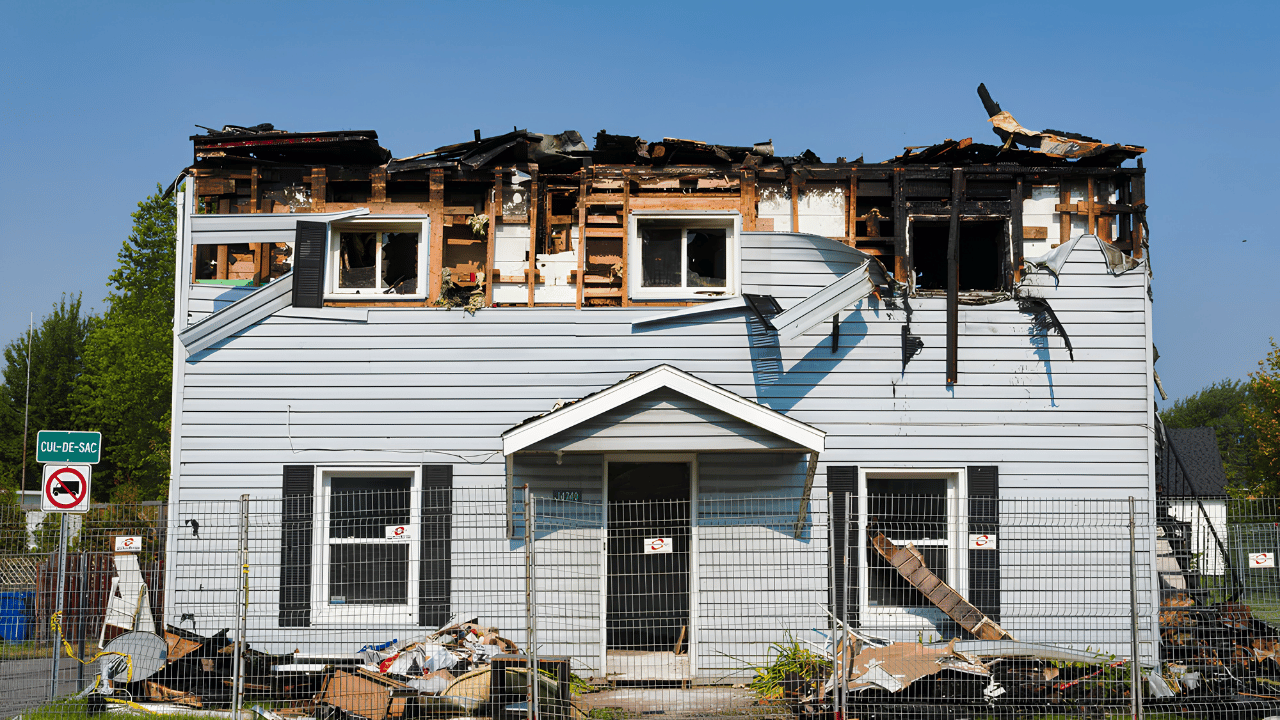
When a home is hit by water, fire, storm, or structural damage, the experience can feel disruptive and overwhelming. Understanding what happens next can make the process far less stressful. A clear restoration timeline helps homeowners prepare for each phase of the work and sets realistic expectations about how long recovery will take. While the specifics vary depending on the type and severity of the damage, most restoration projects follow a predictable sequence carried out by trained professionals who focus on stabilizing the property, addressing hazards, and rebuilding with precision.
Initial Assessment and Safety Measures
The first step in any restoration project is a detailed assessment conducted by trained specialists. This evaluation identifies the source and extent of the damage, along with any immediate safety concerns. Professionals inspect structural stability, electrical systems, moisture levels, and potential contaminants. Homes affected by fire may have hidden smoke infiltration or weakened framing. Water-damaged properties may hide moisture pockets that lead to mold if left untreated. Storm damage can create hazards from debris or compromised roofing. The assessment phase sets the foundation for the restoration plan and ensures every critical issue is documented before work begins.
Once the assessment is completed, crews focus on securing the property. This may include boarding windows, tarping roofs, shutting off water supplies, or isolating dangerous zones. Prioritizing safety protects your family and prevents additional harm to the structure, which helps reduce long-term repair costs and complications.
Mitigation and Damage Control
Mitigation begins as soon as the property is secure. This stage is all about stopping further damage and stabilizing the environment. If water has entered the home, extraction equipment removes standing water while industrial-grade dehumidifiers bring moisture levels under control. If fire has affected the home, soot removal and air filtration start immediately to prevent corrosive particles from spreading. In cases involving storm or impact damage, crews remove debris and reinforce compromised areas.
Many homeowners first interact with the technical side of restoration during this phase, especially when specialized equipment and protective gear are involved. This is also the point where emergency home restoration companies often apply, since quick action greatly reduces secondary issues like mold, structural warping, or lingering odors. By the end of mitigation, the home should be stabilized and prepared for more detailed repairs.
Cleaning, Sanitizing, and Decontamination
After the environment is stable, restoration teams shift to deep cleaning and sanitizing. This step is especially important for water, mold, smoke, and bio-contamination scenarios. Materials that cannot be saved are removed with care, and items that can be restored undergo specialized cleaning processes. For example, smoke-damaged belongings may go through ozone or thermal fogging treatments, while water-damaged materials might be cleaned with antimicrobial solutions designed to neutralize bacteria.
Air quality also receives significant attention during this stage. Professionals use HEPA filtration, odor neutralizers, and decontamination methods tailored to each type of damage. The goal is to return the home to a safe and healthy condition, free from contaminants that could cause health issues or long-term deterioration
Structural Repairs and Reconstruction
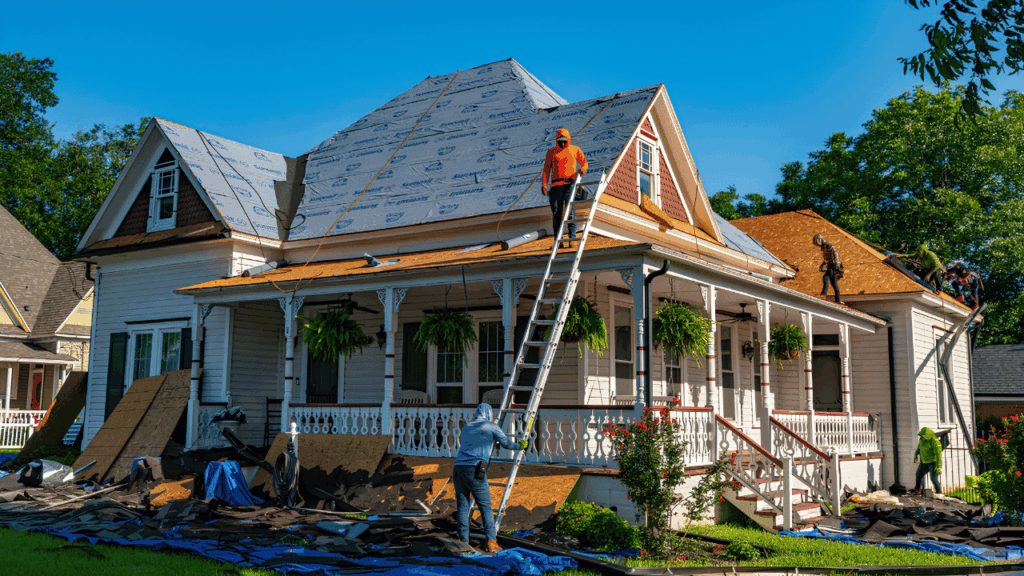
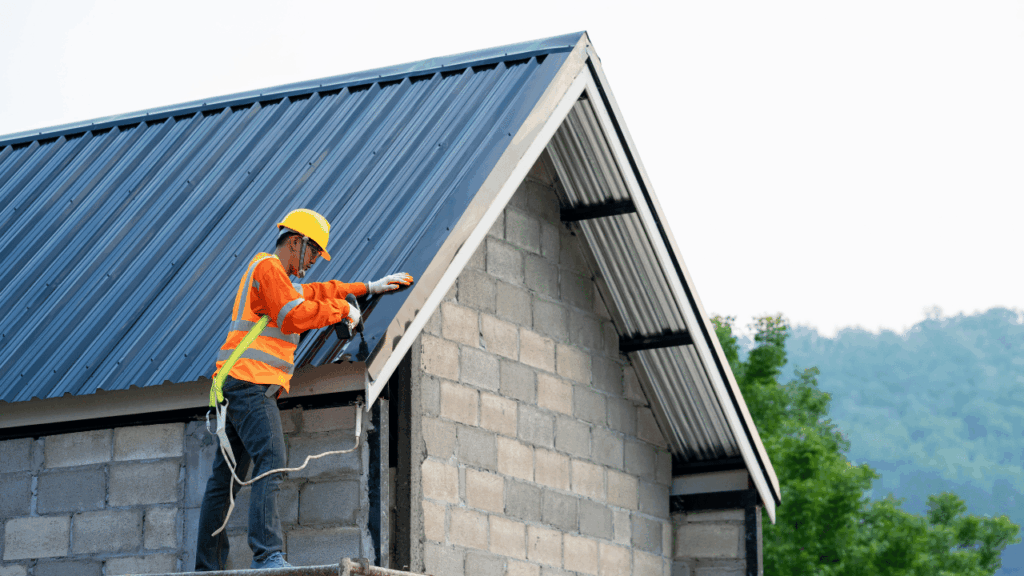
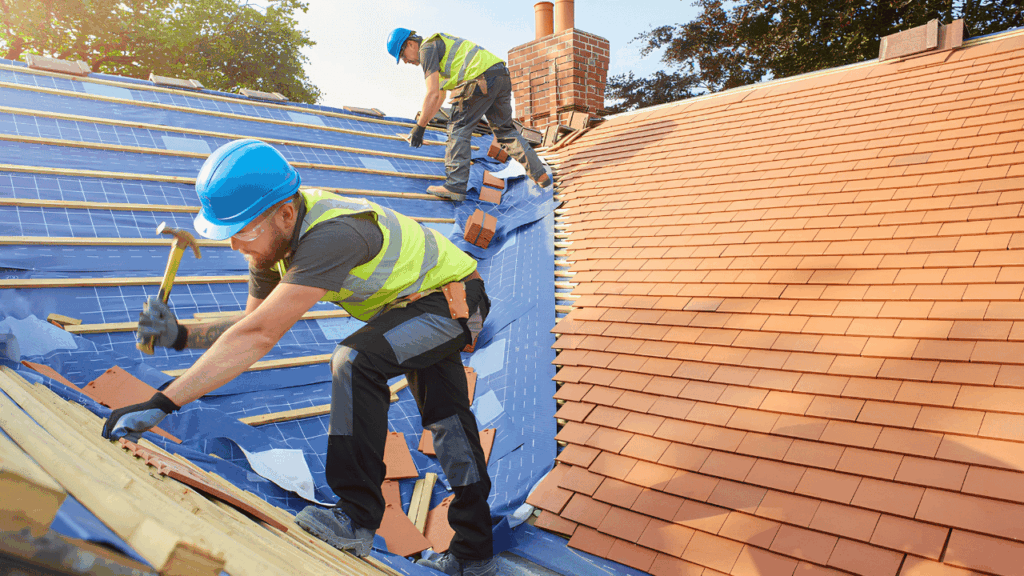
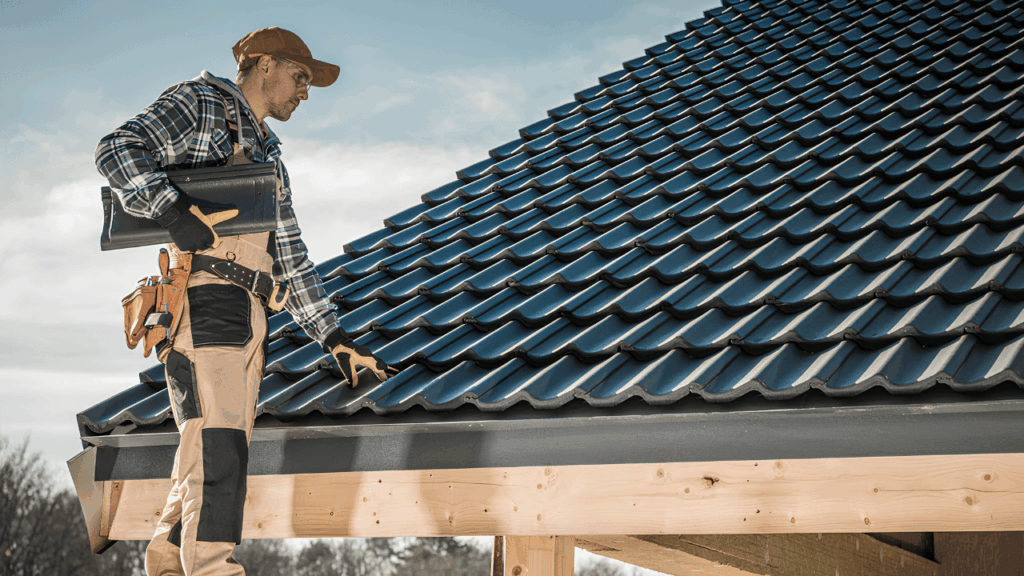
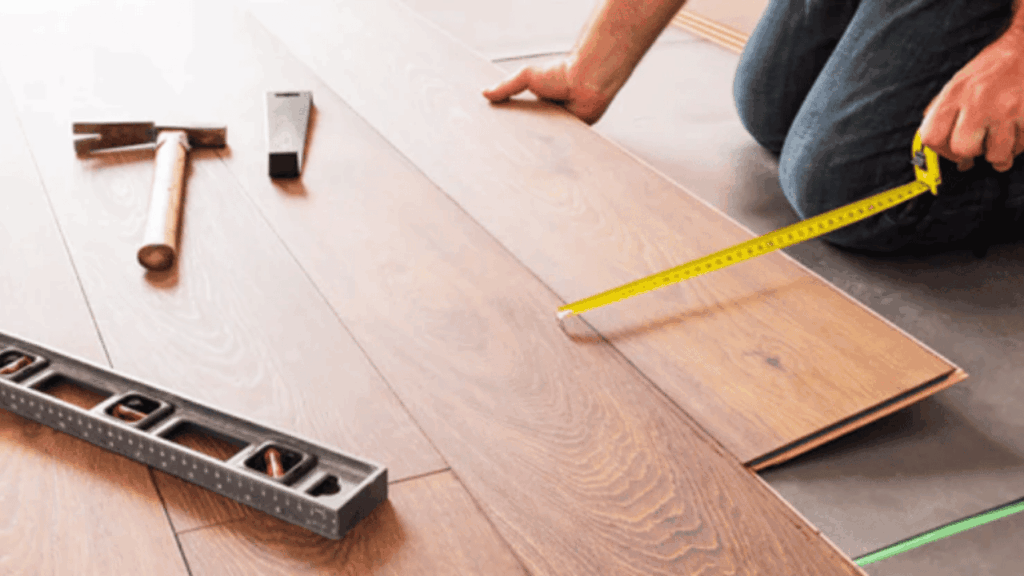
For many homeowners, the reconstruction phase represents the most visible part of the restoration timeline. Once cleaning and removal are complete, crews begin repairing or rebuilding damaged areas. This may involve flooring, drywall, roofing, carpentry, electrical work, or full structural reconstruction. Depending on the severity of damage, this phase can be relatively quick or can span weeks or months. Coordination with insurance adjusters and local permitting offices may also influence the timeline.
Throughout reconstruction, reputable restoration teams work to match materials and finishes so the completed results blend seamlessly with the rest of the home. Whether it’s replacing smoke-stained ceilings, correcting warped flooring, or rebuilding an entire wing of a house, the work is completed with precision to restore full functionality and comfort.
Final Inspection and Long-Term Prevention
Once the physical repairs are done, a final inspection ensures every aspect of the restoration meets both safety and quality standards. Professionals check structural integrity, confirm moisture levels, verify electrical safety, and address any final cosmetic details. Homeowners walk through the finished spaces to confirm satisfaction and identify any final adjustments.
During this stage, restoration experts often provide guidance on long-term prevention. This may include recommendations for improved drainage, upgraded alarms, routine maintenance schedules, or enhanced ventilation. These suggestions help reduce the risk of future damage and give homeowners peace of mind moving forward.
Conclusion
A home restoration project can feel complex, but understanding the typical timeline makes the process far clearer and more manageable. From assessment and safety measures through mitigation, cleaning, reconstruction, and final inspection, each phase plays a crucial role in returning your home to a stable and welcoming condition. With the right professionals guiding the work, homeowners can feel confident that their property will be restored with care, accuracy, and long-term durability in mind.
This article is part of the HOGDigest editorial series.
Originally written by [Destiny Clarkson] and republished with permission.







 Living Room
 Armchairs
 Bar
Bar Coffee Tables
 Sofas
Sofas Side Tables
 Shelving
 TV Consoles
 Bedroom
 Beds
Beds Bedding Sets
 Dressers
 Mattress
 Pillows
 Wardrobes
 Bathroom
 Bathroom Accessories
 Showers & Bathtubs
 Water Heaters
 Water Closet
 Washbasin
 Dining
 Dining Tables
 Dining Chairs
 Dining Sets
 Dining Benches
 Sideboards
 Kitchen
 Cookware | Bakeware
 Cabinets
 Tableware | Serveware
 Big Appliances
 Small Appliances
 Sinks | Taps
 Storage | Organisation
 Utensils | Tools
 Lighting
 Ceiling Lights
 Table | Floor Lamps
 Light Bulbs | Hardware
 Outdoor Lighting
 Wall Lights
 Kids & Nursery
 Nursery furniture
 Kids Bedroom
 Kids Decor
 Chairs
 Swivel
 Visitors
 Tables | Desks
 Standard Desks
 Executive Desks
 Computer Desks
 Safe | Cabinets
 Bookshelves
 Credenzas
 Filing Cabinets
 Safes
Safes Lockers
 Conference
 Boardroom Sets
 Meeting Tables
 Seminar | Events
 Workstations
 Cubicle Workstations
 Open Workstations
 Reception
 Reception Desks
 Waiting Area
 School Furniture
 Classroom furniture
 Hostel Furniture
 Laboratory furniture
 Library Furniture
 Bistro Sets
 Metal Bistro Sets
 Rattan Bistro Sets
 Plastic Bistro Sets
 Wooden Bistro Sets
 Rattan
 Rattan Bar Sets
 Rattan Sofas
 Rattan Dining Sets
 Rattan Loungers
 Rattan Swing Chairs
 Rattan Accessories
 Shades & Canopies
 Cantilever Umbrellas
 Parasols
 Tents
Tents Gazebo
 Outdoor Essentials
 Outdoor Living
 Plants & Greenery
 Planters & Pots
 Garden Tools
 Appliances
 Cleaning Appliances
 Cooling & Air Treatment
 Home Finishing
 Carpets & Rugs
 Curtains & Blinds
 Décor
Décor Doors & Shades
 Paint & Wall Covering
 Plumbing Supplies
 Tools & Utility
 Hardware & Electricals
 Tools & Equipment
 Commercial & Specialty
 Hospital Furniture
 Supermarket
 Salon & Personal Care
 Pet Care